
Comprehensive Whitepaper: Sourcing & Manufacturing Trends in Bluetooth Smart Wearables
The global wearable device market has shifted from basic step-counting accessories to sophisticated digital health monitors and fashion-forward smart jewelry. As a leading Bluetooth smart watches manufacturer and supplier, we synthesize key technical and procurement intelligence to assist global importers, brand owners, and retail buyers in maintaining a decisive competitive edge.
1. Architectural Shifts in Low-Power Bluetooth Chipsets
Modern Bluetooth smart watches demand seamless synchronization with minimal energy overhead. The industry standard has transitioned toward dual-mode Bluetooth 5.3/5.4 Low Energy (BLE) System-on-Chips (SoCs) supplied by industry titans such as Realtek, Nordic Semiconductor, and Dialog. These chipsets feature dynamic power-scaling logic, enabling continuous PPG heart rate monitoring and ambient micro-display rendering without compromising battery life.
For B2B buyers, choosing hardware equipped with advanced BLE 5.4 ensures superior signal immunity in crowded urban environments, faster OTA (Over-The-Air) firmware updates, and direct compatibility with native iOS and Android health ecosystems.
2. Biosensor Fusion: Medical-Grade Metric Acquisition
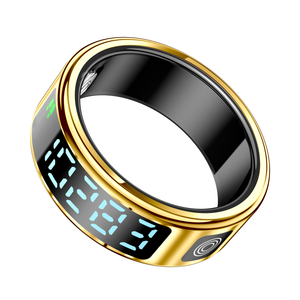
Information Gain in consumer smartwatch retailing hinges on data accuracy. Today’s procurement specifications mandate optical sensor arrays capable of multi-wavelength photoplethysmography (PPG). By combining red, infrared, and green LED sensors, our latest wristwear and smart rings deliver real-time SpO2 (Blood Oxygen Saturation) telemetry, Heart Rate Variability (HRV) metrics, and REM sleep architecture analytics.
- Multi-Channel Optical Modules: Minimizes motion artifacts during intense physical exercise (5ATM/IP68 sports watches).
- Continuous Temperature Tracking: Integrated NTC thermistors providing 0.1°C resolution skin temperature monitoring.
- ECG & Blood Pressure Estimation: Advanced algorithm integration tailored for wellness and preventive care branding.
3. Strategic Procurement & Supply Chain Risk Mitigation
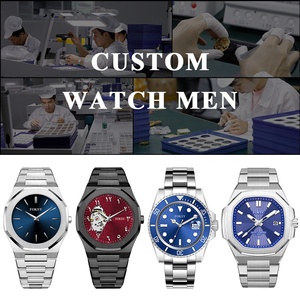
Procuring smart watches at wholesale volume requires rigorous audit criteria. Leading brands look beyond unit pricing to evaluate a supplier's total cost of quality (TCQ). Key manufacturing pillars include automated surface-mount technology (SMT) lines, dust-free ISO Class 7 assembly cleanrooms, and multi-stage acoustic and pressure testing chambers.
| Product Category | Primary Hardware Stack | Water Resistance rating | Target Buyer Audience | Core OEM Customization |
|---|---|---|---|---|
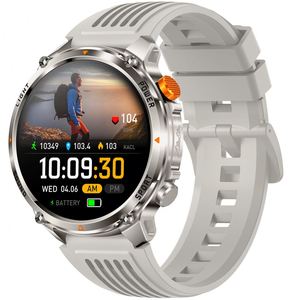
| Outdoor Sport GPS Watch | Dual-Frequency GNSS, BLE 5.3, Barometer, Altimeter | 5ATM / IP69K Waterproof | Extreme Sports, Active Retailers | Rugged TPU molding, custom bezel laser etching |
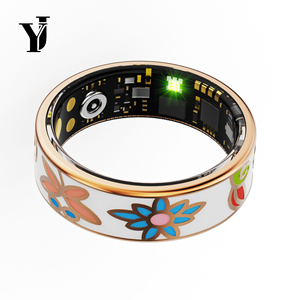
| Smart Health Ring | Ultra-Low-Power MCU, PPG Sensor, 3D Accelerometer | 5ATM / IP68 Submersible | Wellness Brands, Screen-Free Tracking | Enamel finish, resin inner chassis, custom charger case |
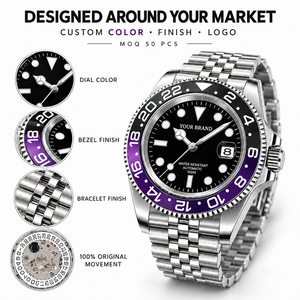
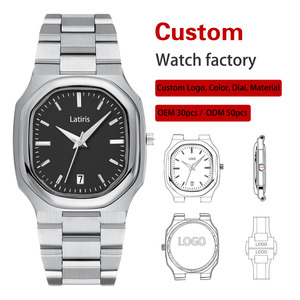
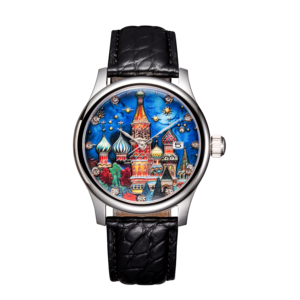
| Luxury Hybrid Smart Watch | Swiss/Shanghai Movement + Micro OLED Sub-Display | 3ATM / 5ATM Splashproof | Traditional Jewelers, Executive Fashion | 316L Steel case, sapphire crystal lens, custom hands |
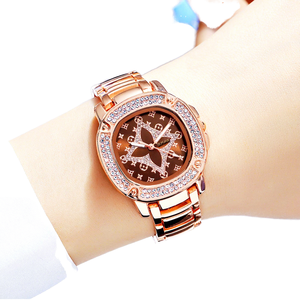
| Fashion Fitness Smartwatch | 1.96" AMOLED Touchscreen, BT Calling, SpO2 sensor | IP68 Daily Waterproof | Mass Retailers, E-commerce Brands | App white-labeling, personalized dial UI, custom straps |
4. Compliance, Cybersecurity, and Market Access
Entering European and North American markets requires compliance with evolving international legislation. Beyond standard CE, FCC, RoHS, and REACH certifications, smart watches with wireless telecommunication capabilities must comply with strict IoT cybersecurity directives. Our production protocols meet the standards set by the UK PSTI Act and EU RED Article 3.3, ensuring software vulnerabilities are systematically patched via mandatory security updates, thus safeguarding retail brands against legal liabilities.