Explore our flagship OEM/ODM watch storage, mechanical timepieces, and high-efficiency magnetic charging compatible accessories engineered under strict quality assurance controls.
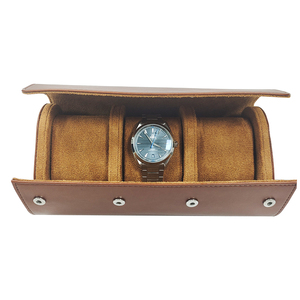
Handcrafted protective travel box featuring cushioned dividers, built-in wireless dock storage, and custom logo embossing.
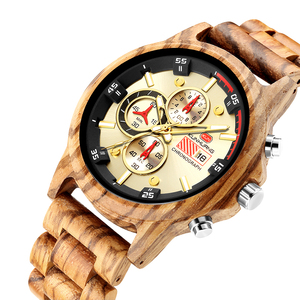
Eco-conscious natural hardwood casing, multi-function chronograph sub-dials, paired with precise Japanese quartz movement.
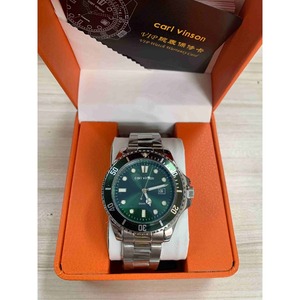
Swiss ETA-compatible movement, scratch-proof sapphire crystal glass, 100m waterproof rating, and custom branded rotor.

Three-dimensional relief cover artwork, antique copper electroplating, matching necklace chain for heritage gift lines.
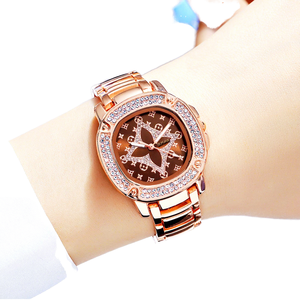
Slim 36mm alloy casing, mineral glass crystal, high-precision Shanghai quartz caliber, stylish mesh bracelet options.
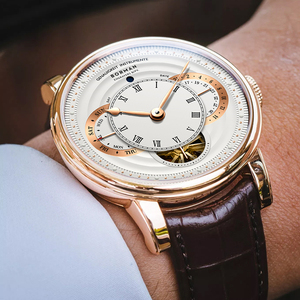
Genuine leather pointer dial, self-winding mechanical core, sapphire glass window, ideal for emerging brand launches.
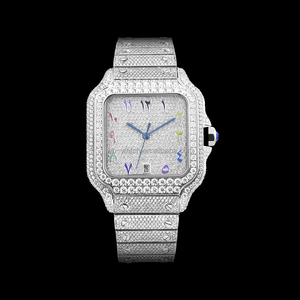
Hand-set VVS moissanite stones, solid 316L stainless steel diver bezel, sapphire glass caseback displaying mechanical movement.
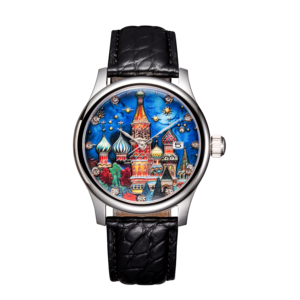
Matte black PVD coating, personalized laser engraving on caseback and crown, high-torque mechanical hand-winding core.
The global wearable device market is experiencing an unprecedented technical convergence. As smartwatches transform from luxury accessories into essential biometrics and digital health nodes, the underlying charging infrastructure has evolved into a critical battleground for OEM manufacturers, distributors, and global consumer electronics brands. Wireless watch chargers—utilizing specialized magnetic resonant induction and proprietary magnetic alignment arrays—have surpassed traditional pogo-pin dock contacts to become the undisputed industry standard.
For international buyers, corporate procurement managers, and brand engineers, selecting a certified wireless watch charger supplier involves navigating complex technical specifications. Unlike standardized Qi smartphone charging pads that operate across wide planar surfaces, smartwatch chargers require ultra-compact induction coils, exact magnetic retention forces (typically between 2.5N to 4.5N), tight frequency calibration to prevent thermal runaway, and localized electromagnetic shielding.
When evaluating manufacturers for Apple Watch magnetic modules, Samsung WPC protocols, or universal multi-brand smart ring and watch chargers, procurement teams must verify compliance against four vital engineering vectors:
| Charging Protocol | Operating Frequency | Peak Wattage | Primary Target Ecosystem | Critical OEM Requirement |
|---|---|---|---|---|
| Apple Watch Magnetic Fast Charge | 326.5 kHz / 1.77 MHz | 5.0W Fast Charge | Apple Watch Series 7–9, Ultra 1/2 | MFi Certified C962 / C963 Modules |
| Samsung Galaxy WPC Inductive | 110 kHz – 205 kHz | 3.0W – 4.5W | Galaxy Watch 4 / 5 / 6 / 7 / Ultra | WPC Protocol Compatibility & FOD Alignment |
| Qi2 MPP Smartwear Profile | 360 kHz (Qi2 Spec) | 5.0W – 15.0W | Cross-Brand Next-Gen Wearables | Precision Magnetics & Firmware Auto-Detect |
| Proprietary Micro-Coil Array | 110 kHz – 350 kHz | 2.5W – 5.0W | Custom Fitness Smartwatches & Rings | Custom SMT Design & Custom Molding |
Based on automated SMT capacity, quality control pass rates, horological accessory integration capabilities, and supply chain reliability, we have evaluated and ranked the top 10 global manufacturers and suppliers servicing the B2B market in 2026.
A powerhouse combination of British design heritage (since 1966) and high-speed precision electronics assembly. Specializes in luxury horological watch storage rolls embedded with hidden magnetic fast-chargers, OEM custom smartwatch docks, and PSTI-compliant connected accessories.
Global leader in power delivery technology. Their B2B division produces high-density GaN-powered desktop hubs with integrated magnetic smartwatch charging modules featuring advanced ActiveShield thermal monitoring.
Renowned for official Apple MFi licensing and premium consumer electronics accessories. Offers turnkey manufacturing for multi-device 3-in-1 charging stands incorporating official Apple fast-charging modules.
Tier-1 electronics manufacturing giant providing core micro-induction coils, flex PCBs, and automated magnetic module assemblies for major smartwatch brands worldwide.
The manufacturing backbone of consumer wearables. FIT offers industrial-scale manufacturing of wireless charging cables, magnetic pucks, and hybrid smartwear docking stations.
Specialized OEM manufacturer focused on multi-protocol wireless charging pads, wooden dual-watch chargers, and compact foldable travel chargers for smartwatch users.
Leading innovator in stylish, cost-effective charging peripherals. Known for transparent glass-shell magnetic watch chargers and multi-functional desktop organizer docks.
High-volume manufacturer focusing on magnetic wireless charging cables, portable keychain watch power banks, and budget-friendly OEM promotional charging solutions.
Established peripheral manufacturer providing robust industrial-grade magnetic watch docks, braided nylon charging cables, and certified multi-region charger kits.
Industrial power supply specialist offering integrated power strip charging stations equipped with dedicated magnetic smartwatch expansion modules and GaN components.
As the smart wearable landscape expands to include high-frequency biometric sampling, smart health rings, and continuous ECG monitoring, the requirements placed on wireless watch chargers are shifting dramatically. B2B importers must align their sourcing strategies with four dominant technological trends:
The establishment of the Qi2 standard by the Wireless Power Consortium (WPC) marks the transition from fragmented, brand-locked induction protocols to a unified magnetic profile. Manufacturers who invest in Qi2-compatible micro-coils enable importers to sell single charging solutions capable of charging Apple Watches, Samsung Galaxy Watches, and emerging smart rings with optimal efficiency and perfect physical centering.
Modern consumers and corporate gift buyers no longer accept cheap plastic charging pucks. The market has shifted heavily toward luxury materials—such as FSC-certified natural hardwood casing, high-grade rushed PU leather, aerospace-grade CNC anodized aluminum, and sapphire glass covers. Integrating wireless induction coils directly into multi-slot watch rolls and valet trays combines classic horological elegance with contemporary tech convenience.
By replacing traditional silicon MOSFETs with Gallium Nitride (GaN) semiconductors, OEM suppliers can reduce heat output by up to 40% while shrinking the physical footprint of multi-device charging hubs by over 50%. This thermal advantage directly benefits watch charging modules, which are sensitive to heat transfer.
With smartwatches acting as personal data nodes, connected accessories and smart docks containing firmware micro-controllers must meet legislative cybersecurity standards. Compliance with the UK Product Security and Telecommunications Infrastructure (PSTI) regime—which mandates unique default passwords, transparent vulnerability disclosure policies, and long-term security update commitments—has become a mandatory gatekeeper for European and UK retail distribution.
Backed by nearly six decades of watchmaking excellence, our enterprise solutions bridge the gap between traditional craftsmanship and modern smartwatch charging technology. Every watch, storage roll, and magnetic charging accessory is engineered under strict British quality control protocols, supported by a comprehensive 2-Year Guarantee.
Partner With Us



Below are authoritative responses to the standard technical, compliance, and logistics questions raised by international procurement managers when negotiating OEM/ODM wireless watch charger contracts.
Connect directly with our senior engineering and procurement team for factory audits, custom OEM/ODM sample requests, volume price tiering, and compliance documentation.
Contact Us Now