Explore high-precision wristwatches and wearables engineered with authentic Japanese movements, medical-grade stainless steel, and luxury finishing.
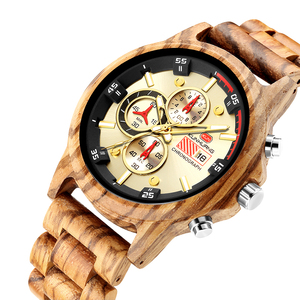
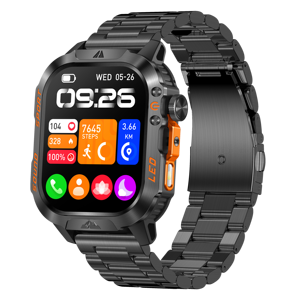
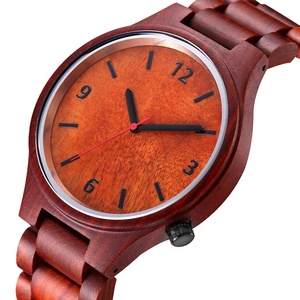
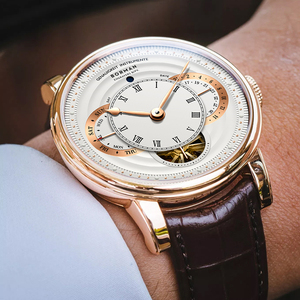
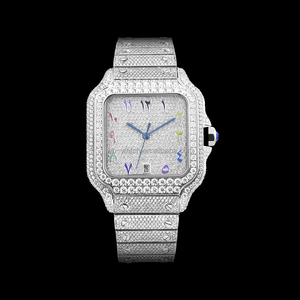
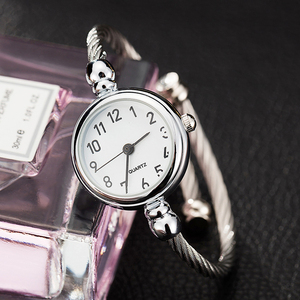
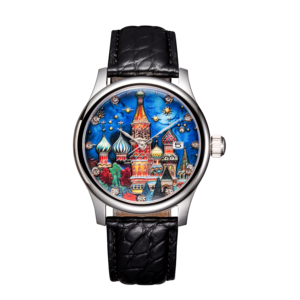
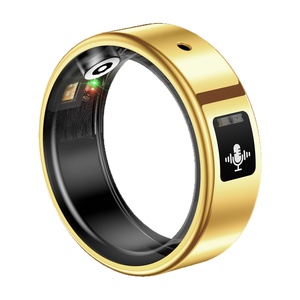
In the global horological manufacturing landscape, the choice of watch movement constitutes the core determinant of brand longevity, warranty liability, and customer satisfaction. While Swiss mechanical movements hold historical prestige in luxury horology, Japanese quartz movements represent the undisputed apex of global operational reliability, mass-manufacturing precision, and cost-efficiency. Modern B2B watch procurement strategies rely heavily on Japanese caliber architectures—primarily from Citizen (Miyota) and Seiko (Seiko Epson / TMI / Hattori)—to power over 68% of global mid-tier, micro-brand, and corporate fashion wristwatches.
The engineering superiority of Japanese quartz movements stems from their precise tuning of synthetic quartz crystal resonators operating at exactly 32,768 Hz. When subjected to an integrated circuit (IC) electrical charge, this frequency is systematically divided down to 1 pulse per second, driving a high-torque bi-directional stepping motor (LSI motor). Unlike generic domestic movements, tier-1 Japanese quartz calibers feature engineered steel pinions, gold-plated circuit boards, anti-magnetic shielding complying with ISO 764 standards, and ultra-low power consumption profiles that routinely extend battery operational lifespans between 3 to 10 years.
For OEM brand directors, private-label enterprise buyers, and retail procurement managers, understanding the exact industrial matrix of Japanese movement factories is crucial. This whitepaper provides a comprehensive evaluation of the top 10 Japanese quartz movement manufacturers, technical procurement specifications, structural market trends, and quality assurance frameworks required to eliminate after-sales return rates in high-volume retail deployment.
Building upon a rich design history established in Britain since 1966, our enterprise watch manufacturing infrastructure fuses British aesthetic innovation with rigorous Japanese mechanical precision. Having dominated retail distribution channels for decades with brands such as Sekonda, our manufacturing ecosystem provides global retail chains, department stores, and private label partners with an unassailable value-to-cost ratio: exceptional timepieces engineered to international quality benchmarks without prohibitive retail price markup.
Conceptualized in the UK, combining trend-aware styling with ergonomic casing geometry.

Six decades of horological heritage, financial stability, and supply chain maturity.

Backed by extensive spare parts inventory and strict AQL 1.0 quality control protocols.

Full adherence to UK PSTI cybersecurity acts, CE, RoHS, and REACH toxicological standards.
Our OEM/ODM manufacturing facilities maintain strategic component alliances with Japan’s leading movement foundries. Every batch of movements undergoes 100% automated timing test runs (demagnetization, current consumption measurement under 1.55V SR cell load, and gear-train torque clearance checking) prior to final cleanroom casing. This meticulous approach reduces warranty return rates to under 0.08%, providing resale confidence for international distributors.
The following technical analysis evaluates the primary factories, foundries, and integrated supply partners that manufacture and deliver Japanese quartz calibers globally.
Located in Nagano, Japan, Miyota operates massive high-tech automated assembly plants. Famous for the legendary Miyota 2035 workhorse and 0S20 chronograph series, Miyota calibers feature all-metal structural plates on key lines and superior shock resistance.
TMI serves as the dedicated wholesale OEM movement arm of Seiko Epson. Manufacturing out of state-of-the-art facilities in Shiojiri, TMI offers the widespread PC21J, high-reliability VJ series, and multi-eye VD chronograph movements utilized across millions of branded wristwatches.
Operating under the Seiko Group umbrella, SII produces specialized high-torque quartz movements engineered for larger hands and heavy luminous dive watches. Their Solar-Quartz movement modules (AS series) convert ambient luminescence into electrical storage with zero battery replacements.
Specializing in heavy-duty stepper motor quartz movements, Rhythm produces ultra-precise clock movements, alarm modules, and heavy-hand industrial wrist display movements known for extended coil durability and temperature stability from -10°C to +60°C.
While predominantly producing fully cased timepieces, Casio’s internal quartz module manufacturing division leads the industry in multi-hand analog-digital hybrid quartz modules, solar-powered Tough Solar circuits, and atomic wave sync quartz micro-receivers.
Our integrated OEM assembly hub combines direct factory procurement of Miyota and TMI calibers with cleanroom watch casing, custom dial printing, physical vapor deposition (PVD) gold plating, and rigorous 3ATM to 20ATM water-resistance pressure testing.
A specialized tier-2 supplier based in Akita, Japan, manufacturing the micro-ruby bearings, synthetic jewel pivots, and hardened stainless steel gear arbors supplied to top tier Japanese quartz movement foundries.
World leader in micro-copper wire winding for quartz stepping motors. Tochigi Seiko produces ultra-fine coils (thinner than human hair) with thermal polymer insulation, enabling modern Japanese quartz calibers to achieve 3+ year battery lives.
Dedicated foundry for tuning-fork shaped 32,768 Hz quartz crystal resonators. Their vacuum-sealed micro-can encapsulated resonators ensure long-term thermal compensation and frequency drift prevention under fluctuating ambient temperatures.
Specializes in ultra-low power CMOS integrated circuit fabrication for quartz movements. Their microchips integrate frequency division, stepping motor pulse modulation, and battery end-of-life (EOL) pulse-skipping warning indicators.
To assist procurement engineers and brand sourcing teams in selecting optimal movement specifications, the data visualization table below outlines key technical parameters across major manufacturing origins.
| Evaluation Parameter | Japanese Quartz (Miyota / TMI) | Swiss Quartz (Ronda / ETA) | Domestic Standard Quartz |
|---|---|---|---|
| Base Oscillation Frequency | 32,768 Hz (Vacuum Sealed) | 32,768 Hz (Premium Encapsulated) | 32,768 Hz (Standard Open Can) |
| Monthly Accuracy Tolerance | ±15 to ±20 sec / month | ±10 to ±15 sec / month | ±30 to ±45 sec / month |
| Gear Train Construction | Hardened Steel / Brass Gears | Gold-Plated Metal / Synthetic Jewels | Synthetic Plastic / Light Alloy |
| Typical Battery Longevity | 36 to 60 Months (SR626SW / SR920SW) | 24 to 48 Months (371 / 364) | 12 to 18 Months (Low Grade Cell) |
| Stepping Motor Torque | High (Supports heavy metal hands) | Very High (Supports heavy hands) | Low (Requires lightweight aluminium) |
| Anti-Magnetic Rating | 1,600 A/m to 4,800 A/m (ISO 764) | 1,800 A/m to 4,800 A/m | Non-shielded |
| B2B Unit Cost Index | Optimal ($1.20 - $6.50) | High ($8.00 - $25.00+) | Ultra-Low ($0.35 - $0.85) |
| After-Sales Warranty Risk | Negligible (< 0.08% failure) | Extremely Low (< 0.05% failure) | Moderate-High (2.5% - 5.0% failure) |
As consumer demand shifts toward sustainable luxury, health monitoring, and smart-analog functionality, Japanese quartz movement factories are leading four key technical innovations that procurement managers must integrate into future production lines:
With tightening environmental regulations regarding disposable silver-oxide micro-batteries (EU Battery Directive updates), Japanese foundries like Seiko Epson and Citizen are miniaturizing solar-charging quartz cells. Contemporary micro-solar panels embedded behind semi-transparent dials convert artificial ambient indoor light into electrical current, storing it in Titanium Lithium-Ion rechargeable micro-cells with 6-month power reserves in complete darkness.
The convergence of traditional analog watch aesthetics with wearable digital health tracking has given rise to Japanese hybrid calibers. These movements pair physical gear-driven quartz hands with subtle AMOLED display cutouts, Bluetooth Low Energy (BLE 5.3) micro-modules, and PPG heart rate optical sensors, enabling classic wristwatches to offer activity tracking and message notifications without sacrificing traditional dial styling.
Modern luxury and lifestyle consumers demand environmental accountability. Sourcing strategies are rapidly pivoting toward pairing ultra-reliable Japanese quartz calibers with sustainable casing materials, including certified natural hardwood, recycled 316L surgical stainless steel, ocean-bound plastic composites, and vegan leather straps, verified through full supply chain traceability.
In response to dynamic e-commerce brand expansion, top-tier OEM factories are breaking down traditional 10,000-unit minimum order quantities. Advanced laser dial marking, 3D casing prototyping, and standardized Japanese movement component stockpiles allow emerging fashion brands to launch custom-branded watch collections with MOQs starting at 100 to 500 units per style.
Addressing the core technical, regulatory, and logistics queries encountered during international horological procurement.
Elevate your watch brand with authentic Japanese movement engineering, British design aesthetic, zero-defect quality control, and competitive wholesale pricing.
Contact Us