
Outdoor Smart
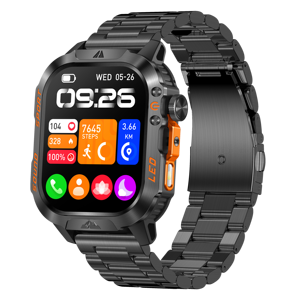
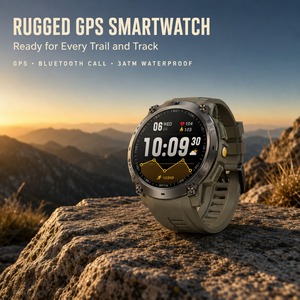
HT46 Outdoor Smart Watch 1200mAh Battery 2.01" AMOLED Curved Display
- 1200mAh Long Standby (11-30 Days)
- 2.01-Inch Curved AMOLED Screen
- IP67 Ruggedized Architecture
Explore high-demand chronograph movements, ultra-thin analogue quartz, luxury automatic timepieces, and next-generation smart wearables crafted for brand owners and volume importers.
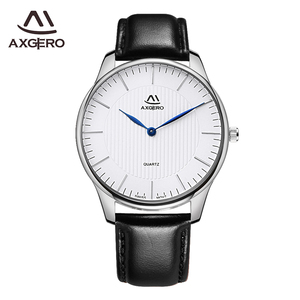
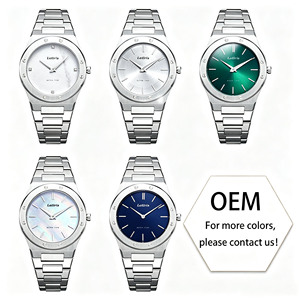
The global chronograph wrist watch market is experiencing a profound structural transformation driven by converging consumer demands: traditional horological craftsmanship, precision sub-dial stopwatch mechanics, ultra-thin quartz efficiency, and modern digital/smart sensor integration. For procurement directors, brand owners, and international retail distributors, selecting a top-tier chronograph watch manufacturer requires evaluating technical capabilities, movement precision, supply chain transparency, and international compliance standard adherence.
As consumer preferences bifurcate between vintage-inspired mechanical chronographs and connected hybrid wearables, original equipment manufacturers (OEMs) and original design manufacturers (ODMs) must provide versatile manufacturing pipelines. Today’s premier watch manufacturers maintain cleanroom assembly facilities, automated movement drop systems, and rigorous pressure testing chambers to ensure that every timepiece meets uncompromising water-resistance and shock-tolerance criteria.
Market intelligence from leading watch distributors reveals that successful horological brands no longer rely solely on traditional analogue quartz or mechanical units. Modern buyers demand a unified OEM partner capable of producing diverse lines—ranging from high-frequency sub-second quartz chronographs and Swiss-movement automatic timepieces to PSTI-compliant smart watches and discreet health tracking rings—all under a single quality control framework.
When curating the top 10 chronograph wrist watch manufacturers worldwide, B2B buyers must look beyond simple aesthetic design. A manufacturer’s true capability lies in micro-engineering tolerances, dial dial-maker artistry, hand-alignment accuracy, and case machining fidelity. Below is an analytical framework detailing the engineering benchmarks that separate tier-1 OEM factories from generic assemblers.
Tier-1 manufacturers source or build validated calibers—ranging from Japan Quartz (Miyota, Seiko EPSON) to Swiss Mechanicals (ETA, Sellita)—ensuring timing tolerances within strict daily deviations.
Utilizing high-grade 316L stainless steel, lightweight titanium alloys, or scratch-resistant ceramic bezels. Advanced CNC milling ensures sharp facet lines and mirror-polished chamfers.
Leading factories maintain ISO 9001 certification, ISO 22810 water-resistance testing, CE/RoHS material safety standards, and strict adherence to connected device security laws like the UK PSTI Act.
To assist procurement managers in establishing product specifications and line architectures, the table below outlines the core technical specifications across primary watch manufacturing categories:
| Movement Category | Core Mechanism | Accuracy / Battery Standard | Water Resistance Range | Ideal Target Market Segment |
|---|---|---|---|---|
| Analogue Quartz Chronograph | Multi-subdial step-motor quartz caliber | ±15 seconds / month (2-3 yr battery) | 3ATM to 10ATM (30m - 100m) | Everyday corporate wear, sporty fashion, gifting |
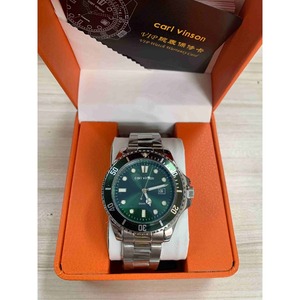
| Automatic Mechanical | Self-winding rotor / ETA or Miyota base | -10 to +30 seconds / day (38h+ reserve) | 5ATM to 20ATM (50m - 200m) | Luxury heritage lines, horological collectors |
| Ultra-Thin Dress Quartz | Single-hand or 2-hand minimal module | ±20 seconds / month (3 yr battery) | 3ATM Splashproof (30m) | Formal ladies' dress wear, Sparkle dress lines |
| Connected Smart Wearable | Bio-sensor array + Bluetooth SoC | Rechargeable Lithium (7-30 days usage) | IP67 to 5ATM Swimming rated | Fitness enthusiasts, health tracking, daily lifestyle |
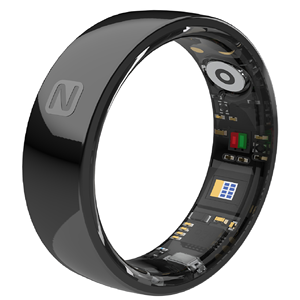
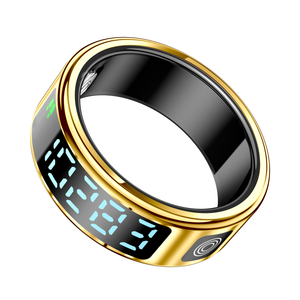
| Smart Health Ring | PPG Optical Sensor + 3-Axis Accel | Rechargeable Li-Po (5-7 days usage) | 5ATM & IP68 Submersible | Discreet 24/7 wellness, sleep tracking users |
Understanding future manufacturing trends enables brand managers to order collections that remain competitive across global e-commerce and retail channels. Key technical shifts shaping the next decade of watch production include:
Procurement demands are surging for mecha-quartz calibers. These hybrid movements combine the quartz battery's unwavering timekeeping accuracy with the crisp, instantaneous flyback pusher feedback of a mechanical chronograph lever. This gives consumers a tactile, high-end chronograph experience at an accessible price point.
Environmental regulations and consumer expectations have accelerated the adoption of eco-friendly physical vapor deposition (PVD) plating. Modern top-tier factories utilize chemical-free PVD vacuum chambers to apply rose gold, deep navy, champagne gold, and diamond-like carbon (DLC) matte black finishes that resist tarnishing and corrosion far longer than traditional electroplating.
As traditional watchmakers expand into connected wearables—such as smart watches and smart rings—regulatory compliance has shifted to digital safety. Enterprise buyers importing into European and British markets must ensure suppliers provide a published PSTI Act Compliance Statement, ensuring mandatory password protection, security patch commitments, and vulnerability reporting channels.
For enterprise purchasers, navigating the custom watch production cycle requires clear milestones. Leading chronograph manufacturers enforce a structured 6-phase engineering workflow:
Phase 1: Industrial Design & 3D Renderings: Horological designers generate 2D dial technical drawings and 3D CAD models specifying case geometry, lug width, pusher placement, and sub-dial indices.
Phase 2: Prototyping & Sample Validation: CNC machinery produces rapid alloy or steel prototypes. Physical samples undergo visual hand alignment checks, color matching under D65 standard light sources, and initial water-seal verification.
Phase 3: Component Sourcing & Movement QC: Raw movement lots (Miyota, Seiko, ETA, or smart SoC chipsets) are inspected for beat error and rate deviation before entering cleanroom dust-free assembly rooms.
Phase 4: Cleanroom Assembly: Skilled watchmakers mount dials, press hands using micro-metric alignment jigs, install crystal glasses with high-strength gaskets, and encase movements under HEPA-filtered air conditions.
Phase 5: High-Pressure & Environmental Testing: Assembled cases undergo vacuum dry-testing and wet-pressure chamber immersion to certify depth ratings (3ATM up to 20ATM). Smart wearables undergo thermal shock cycling and ESD electrostatic safety testing.
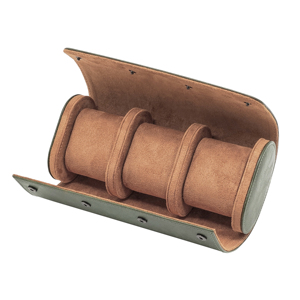
Phase 6: Final Packaging & Logistics: Timepieces are fitted onto custom presentation pillows or travel rolls, paired with multilingual instruction manuals, labeled for barcode traceability, and packed for shipment.
Essential answers for volume importers, wholesale distributors, and brand buyers planning custom chronograph or smart wearable orders.
Connect directly with our horological OEM/ODM specialists to request custom quotes, sample prototypes, or catalog price lists.