Explore our export-grade stainless steel housings, custom smartwatch enclosures, health ring components, and protective storage solutions designed for global brand procurement.
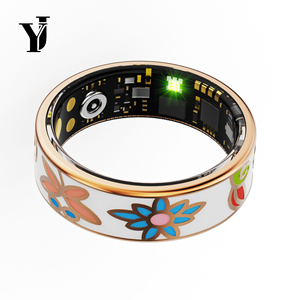
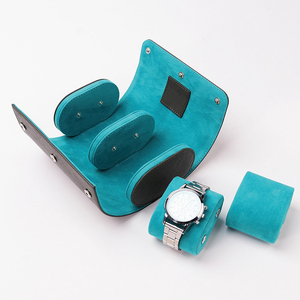
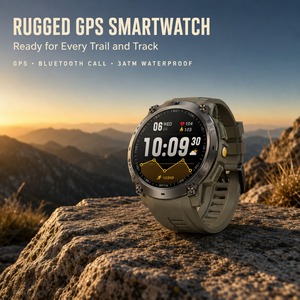
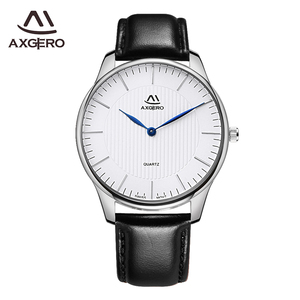
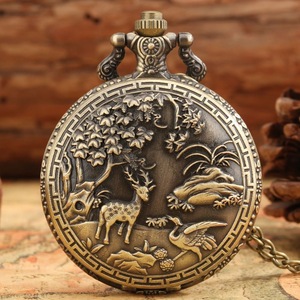
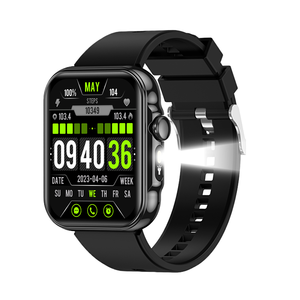
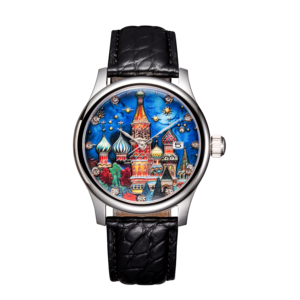
In the contemporary horological and wearable device manufacturing landscape, selecting a qualified China stainless steel cases manufacturer is no longer merely a procurement operational step—it is a core strategic lever determining brand position, product longevity, and post-market compliance. As global consumer expectations shift toward durable, hypoallergenic, and micro-engineered wristwear, leading Chinese factories have evolved from simple stamping operations into advanced metallurgical engineering hubs equipped with 5-axis CNC machining, vacuum physical vapor deposition (PVD), and cleanroom automated assembly.
Evaluating standard watch cases versus high-grade industrial cases requires a granular understanding of material science. Premium wristwatches and smart hardware demand surgical-grade alloys such as AISI 316L and 904L stainless steel, which exhibit exceptional Pitting Resistance Equivalent Numbers (PREN). 316L stainless steel contains 2-3% molybdenum, granting superior resistance to chloride-induced stress corrosion cracking caused by human sweat and seawater exposure. For high-end luxury mechanical cases and extreme marine dive enclosures, 904L alloys provide even higher nickel and chromium concentrations, resulting in unmatched luster and structural integrity under high pressure.
Over the past decade, Chinese manufacturing ecosystems have successfully bridged traditional horology with modern electronic enclosure manufacturing. Today's OEM/ODM contracts require factories to master not only aesthetic mirror polishing and satin brushing, but also RF antenna line integration, optical sensor window sealing, and thermal dissipation channels for smart rings and GPS-enabled smartwatches. China's top stainless steel case factories offer full vertical integration: from raw alloy cold forging and annealing to high-speed computerized milling, laser engraving, and custom packaging solutions.
Rooted in decades of horological heritage since 1966, our manufacturing ecosystem combines British design governance with high-efficiency Chinese metallurgical production lines.
Our ultra-precision CNC centers execute complex case contours, faceted lugs, and internal movement cavities with strict dimensional tolerances down to ±0.005mm, ensuring seamless sapphire crystal glass and gasket installation.
Utilizing high-vacuum titanium nitride and diamond-like carbon (DLC) coating technology, we deliver scratch-resistant finishes in Rose Gold, Champagne Gold, Matte Jet Black, and Gunmetal with surface hardness ratings exceeding 1500 Vickers (HV).
Every batch undergoes dual-stage testing: dry air vacuum leak detection followed by wet hydrostatic pressure chambers rated from 3ATM (30m) up to 30ATM (300m) deep-dive professional standards.
Our stainless steel materials and surface treatments strictly comply with EU REACH, RoHS, California Proposition 65 nickel release limits, and UK PSTI cybersecurity compliance for smart connected wearables.
In-house 3D CAD modeling and rapid steel sample production within 14 days. Our engineering team conducts thorough Design for Manufacturability (DFM) reviews to optimize cost-per-unit prior to mass tooling.
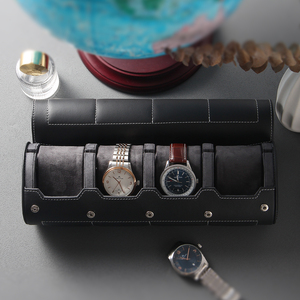
From single custom-engraved watch cases to premium leather travel rolls, velvet-lined gift presentation boxes, and multi-slot display cases, we offer total end-to-end turn-key solutions.
Selecting the optimal alloy and case architecture requires balancing tensile strength, corrosion resistance, machinability, and target retail price points. Below is a comprehensive engineering guide prepared by our technical quality control division:
| Material / Alloy Grade | Hardness (HV) | Corrosion Resistance (PREN) | Machinability Index | Primary Target Application | Cost Benchmark |
|---|---|---|---|---|---|
| AISI 316L Stainless Steel | 150 - 220 HV | 23.0 - 25.0 (High) | Excellent (CNC friendly) | Luxury Mechanical, Dive Watches, Quartz | Standard / Optimal B2B Value |
| AISI 904L Stainless Steel | 160 - 240 HV | 34.0 - 36.0 (Ultra High) | Moderate (Requires specialized tooling) | High-End Executive & Professional Divers | Premium (+35-50% over 316L) |
| Titanium Grade 5 (Ti-6Al-4V) | 300 - 350 HV | Superior (Immune to seawater) | Challenging (Low thermal conductivity) | Lightweight Ultra-Sport & Aerospace Watches | High (+80-120% over 316L) |
| Zinc Alloy / Brass (Electroplated) | 80 - 120 HV | Low (Prone to oxidation over time) | Very High (Stamping/Die-Casting) | Fashion Promotional & Low-Budget Quartz | Economy Low Cost |
| Enamel & Bio-Compatible Alloy | 200 - 280 HV | High (Sweat & Cosmetic resistant) | Micro-Casting Precision | Smart Health Rings & Wearable Jewelry | Mid-to-High Specialized |
*Note: Pitting Resistance Equivalent Number (PREN) = %Cr + 3.3x%Mo + 16x%N. Higher values indicate greater resistance to localized pitting in ocean water and harsh environment testing.
Procurement directors and product managers must stay ahead of emerging technological and regulatory shifts affecting Chinese manufacturing plants. As a leading factory group, we highlight four dominant trends shaping the next five years of production:
Global brands operating in European and North American markets are facing rigorous Environmental, Social, and Governance (ESG) mandates. Leading Chinese manufacturers are now incorporating 100% recycled 316L steel scrap sourced from certified automotive and medical device waste streams. Recycled 316L maintains identical metallurgical properties while reducing carbon emissions per case forging by up to 68%.
Traditional PVD coatings are increasingly being augmented by Micro-Arc Oxidation (MAO) and plasma electrolytic oxidation. This process converts the surface layer of titanium and specialized alloy cases into a dense ceramic oxide layer, delivering exceptional scratch resistance (exceeding 2000 HV), matte architectural finishes, and complete electrical isolation—ideal for high-frequency smart device antennas.
The rapidly growing smart ring sector demands internal micro-machining with wall thicknesses as thin as 0.35mm, while preserving structural rigidity to prevent battery compression. Future factories must combine cold-extrusion alloy rings with inner biocompatible enamel coatings and resin encapsulation windows that permit uninterrupted photoplethysmography (PPG) optical sensor signals.
To combat gray-market diversion and counterfeit luxury goods, advanced Chinese factories are incorporating hidden micro-laser dots inside watch case lug channels and movement rim chambers. These micro-scannable QR patterns and serial numbers can only be read under 50x magnification, giving brands real-time supply chain traceability from factory door to retail buyer.
Clear, direct answers for global watch brands, sourcing agents, microbrands, and retail buyers looking to partner with China stainless steel case factories.
Connect directly with our senior OEM engineering team. We provide rapid DFM analysis, material certification reports, transparent tier-1 factory pricing, and sample fabrication support.
