
2026 Smart Wearable
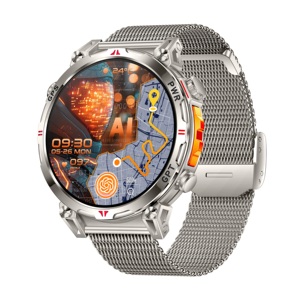
Explore high-demand luxury men's timepieces, mechanical diver models, custom quartz lines, vintage pocket watch revivals, and AI digital smart rings engineered in top-tier Chinese manufacturing centers.
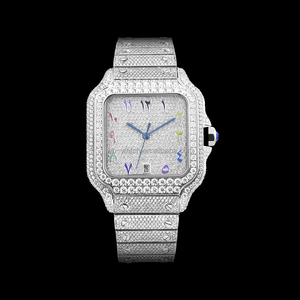
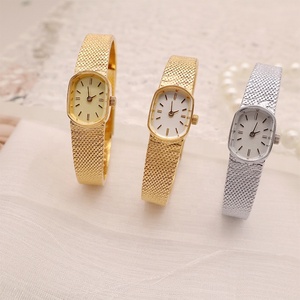
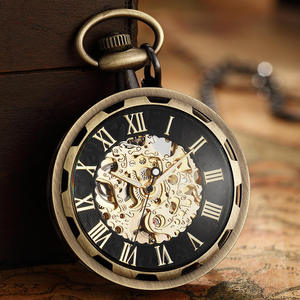
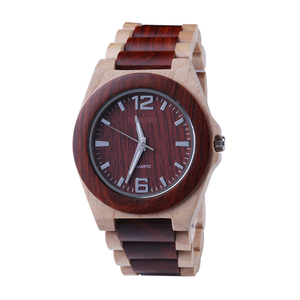
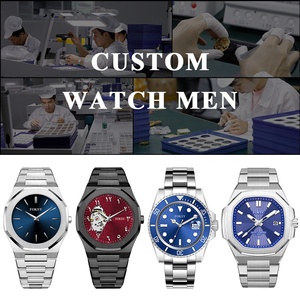
Why leading global watch brands, private label distributors, and luxury retail conglomerates partner with China’s premier watch manufacturing infrastructure.
Utilizing ultra-dense 316L surgical stainless steel, 904L superalloy steel, Grade 5 Titanium, and forged carbon fiber. CNC 5-axis milling ensures tolerances within ±0.005mm for watch cases, bezels, and crowns.
Seamless incorporation of high-beat automatic movements (ETA, Sellita, Miyota 9015, Seiko NH35/NH36) and Swiss Ronda quartz movements in Class 8 dust-controlled environment with digital timing rate calibration.
Every batch undergoes 100% pressure-chamber water resistance testing (up to 30ATM/300M), thermal shock cycling, salt spray corrosion testing, and anti-reflective sapphire hardness scratch verification.
The global watch market is undergoing a profound structural shift. Buyers, boutique brand owners, and luxury department store procurement heads are no longer seeking simple assembly services; they demand end-to-end design engineering, material innovation, transparent OEM/ODM workflows, and strict compliance assurance. As China’s horological supply chain transitions from cost-driven OEM manufacturing to value-driven high-precision engineering, Shenzhen, Guangzhou, and Dongguan have established themselves as the global epicenter for luxury timepiece manufacturing.
This industry whitepaper provides enterprise buyers with an authoritative analysis of modern watch manufacturing capabilities in China, highlighting metallurgy breakthroughs, movement integration, future design trends, supply chain management, and regulatory compliance standards.
To succeed in today's competitive retail landscape, luxury men's watch collections must deliver tangible Information Gain and premium tactile qualities that build trust with discerning consumers. Industrial procurement has evolved significantly across several key material domains:
While 316L stainless steel remains the industry standard for marine and luxury watches, top-tier Chinese factories now offer 904L superalloy steel fabrication. Containing higher chromium, nickel, molybdenum, and copper content, 904L provides extraordinary resistance to harsh acids, salt water, and pitting corrosion while accepting a deeper, high-gloss polish signature usually found in tier-one luxury brands.
Driven by consumer demand for lightweight yet ultra-durable sports watches, Grade 5 Titanium has emerged as a major growth segment. Leading factories utilize specialized high-speed diamond-tipped CNC tooling to overcome titanium’s thermal retention during machining, resulting in ergonomic, hypoallergenic case structures with high strength-to-weight ratios.
Modern luxury watch buyers expect scratch-resistant sapphire crystal glass rated 9 on the Mohs hardness scale. Leading Chinese suppliers provide synthetic corundum sapphire crystals with multi-layer colorless internal Anti-Reflective (AR) optical coatings. This ensures maximum dial legibility, crystal-clear light transmission, and complete elimination of glare under direct sunlight.
For high-fashion, hip-hop, and iced-out luxury watches, Chinese suppliers lead the market in micro-pave setting of lab-grown VVS moissanite and natural gemstones. Using computer-guided optical positioning and prong-setting techniques, stones are locked into solid stainless steel cases without adhesives, maintaining high brilliance and passes diamond-tester verification.
The movement (caliber) is the heart of any luxury timepiece. When specifying movement options during OEM/ODM product development, buyers must balance market expectations against retail price points:
A major trend shaping global watch procurement is the convergence of classical luxury aesthetics with advanced health-tracking technology. Forward-thinking factories have expanded production lines to support hybrid connected wearables:
Designed for active lifestyles, these smart watches feature high-resolution AMOLED displays (over 450 NITS brightness), 3ATM to 5ATM water resistance, integrated GPS positioning, optical PPG heart rate and blood oxygen monitoring, and magnetic quick-charging. Encapsulated in zinc alloy or reinforced polycarbonate cases, they seamlessly connect to custom iOS/Android apps via the DaFit ecosystem.
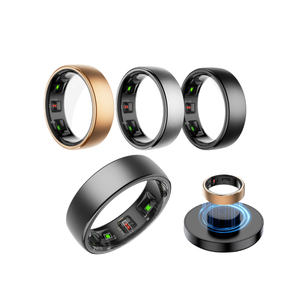
Representing the next frontier in wearable ergonomics, smart rings crafted from medical-grade ceramic and inner-molded resin offer 24/7 sleep tracking, HRV (Heart Rate Variability), body temperature monitoring, and exercise metrics. Screen-free design enables 5-7 days of battery life while maintaining a sleek, discreet jewelry aesthetic.
Use this benchmark table to evaluate technical specifications, material selections, water resistance thresholds, and target market segments across primary watch categories:
| Watch Category | Primary Material Specs | Movement / Core | Water Resistance | Target Segment | Typical OEM MOQ |
|---|---|---|---|---|---|
| Automatic Mechanical Diver | 316L / 904L Steel, Sapphire Glass, Ceramic Bezel | Seiko NH35 / Miyota 9015 / Swiss Sellita | 20ATM / 30ATM (200m-300m) | Luxury Sport / Horology Collectors | 300 - 500 Pcs |
| Iced VVS Moissanite Watch | 316L Stainless Steel, Custom VVS Moissanite Stones | Automatic Mechanical / Quartz Chrono | 3ATM / 5ATM (30m-50m) | Urban Luxury / Hip-Hop Jewelry Market | 100 - 300 Pcs |
| Classic Quartz Dress Watch | Ultra-Thin Alloy / Steel, Mineral or Sapphire Crystal | Japanese Miyota / Swiss Ronda Quartz | 3ATM (30m) | Corporate Gifting / Mass Retail | 500 - 1,000 Pcs |
| Rugged Outdoor Smart Watch | Zinc Alloy / Reinforced Polycarbonate, AMOLED Display | Low-Power AI Chipset + PPG Sensor Module | 3ATM / IP68 Dust & Waterproof | Outdoor Sports / Fitness Tech Retailers | 500 Pcs |
| AI Digital Smart Ring | Zirconia Micro-Ceramic + Medical Resin Interior | Ultra-Low Power Bluetooth 5.2 + Bio-Sensors | 5ATM / IP68 Continuous Submersion | Health & Wellness / Smart Wearable Brands | 300 - 500 Pcs |
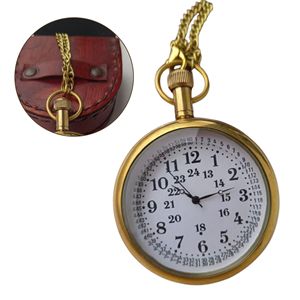
| Vintage Skeleton Pocket Watch | Antique Brass / Bronze Plated Stainless Steel | Hand-Winding Mechanical Skeleton Movement | Splashed Water Resistant | Heritage Collectibles / Gift Markets | 500 Pcs |
When sourcing luxury timepieces from Chinese suppliers, establishing a transparent Quality Management System (QMS) is critical. Top-tier factories operate under ISO 9001 quality management guidelines and implement a multi-stage testing protocol:
As international regulations tighten and consumer awareness grows, watch procurement strategies are increasingly evaluated on sustainability criteria. Leading Chinese manufacturing partners are adopting eco-friendly practices across their facilities:
Expert answers addressing MOQ, custom branding, movement warranties, quality control, and international logistics.
For fully customized OEM/ODM watch manufacturing (custom logo, bespoke case mold, custom dial design, and specialized packaging), the standard MOQ usually ranges between 300 and 500 pieces per model. However, for existing factory catalog models with custom laser-engraved dial logos or caseback branding, MOQs can be as low as 100 pieces depending on material specifications.
Reliable factories test 100% of watch cases using dual testing methods: air pressure dry testing to detect micro-gaps without risking water damage, followed by wet pressure chamber immersion testing compliant with ISO 22810 / ISO 6425 standards. High-pressure silicone O-rings, screw-down crowns, and precision-machined casebacks are standard for ratings of 10ATM (100m) and above.
Yes. Top-tier factories accept customer-supplied movements (such as Swiss ETA, Sellita, or Ronda) or can source original factory-calibrated movements directly through authorized distribution contracts in Hong Kong and Japan. All movements are inspected upon arrival and assembled in Class 8 cleanroom environments.
Standard B2B manufacturing contracts include a 2-year quality guarantee covering movement operation, case finishing, and assembly defects. Suppliers also provide 1% to 2% spare components (such as gaskets, crowns, straps, and crystal glass) free of charge with volume production shipments to support rapid local after-sales service.
Yes. Connected smart products are manufactured with CE, FCC, RoHS, and WEEE compliance certifications. Smart health wearables strictly adhere to international data privacy regulations, and connected mobile applications comply with regional frameworks such as the UK PSTI Act for cyber security.
3D CAD drawing confirmation and rapid prototyping take 15 to 20 days. Once the physical sample is approved, mass manufacturing typically requires 45 to 60 days depending on component complexity (e.g., custom ceramic bezels, multi-layer dials, or real moissanite setting). Express air shipping takes 5-7 days worldwide.