
Whitepaper: Strategic Engineering & Sourcing Trends in Custom Watch Packaging (2026–2030)
In the luxury horizontal of modern horology, the packaging is no longer merely a protective shell; it is an intrinsic extension of the brand identity, an essential touchpoint in the customer unboxing journey, and a primary driver of perceived product value. As the global horological market splits into high-complication mechanical timepieces, stylish fashion accessories, and connected smart wearables (such as ECG Smart Rings and activity trackers), the demand placed on custom watch box manufacturers in China has undergone a fundamental transformation.
Procurement directors and brand managers must balance aesthetic elegance with rigorous structural resilience, environmental sustainability, anti-tarnish chemistry, and cost-optimized supply chain logistics. This industry whitepaper examines the core technical specifications, procurement trends, material innovations, and OEM/ODM factory capabilities that define market leadership in custom watch box manufacturing.
1. Material Science & Structural Architecture of Modern Watch Boxes
A premium custom watch box requires a multi-layered material engineering approach to shield sensitive micro-movements, high-gloss polished cases, and organic leather straps from environmental wear during global transit.
- Substrate Core Selection: High-density Fiberboard (HDF) and Solid Timber remain the benchmark for luxury display boxes, providing superior dimensional stability compared to standard corrugated board. For lightweight eco-friendly solutions, recycled rigid paperboard (1200–1800 GSM) offers optimal structural compression strength while reducing freight weight.
- Protective Insets & Cushioning: The interior watch pillow or C-ring bracket must maintain consistent elasticity over years of storage. High-resilience memory foam wrapped in ultra-soft microfiber or velvet prevents strap sagging and prevents scratch marks on physical vapor deposition (PVD) coatings.
- Anti-Tarnish Chemistry: Inferior glue solvents release volatile organic compounds (VOCs) that tarnish silver pocket watches, oxidize brass cases, and cloud watch crystal windows over time. Advanced China factories utilize water-based, solvent-free adhesives that meet stringent ISO 11890-2 environmental standards.
2. Packaging Technical Comparison & Specification Matrix
To assist sourcing teams in selecting the optimal packaging format for their product tier, the following table details the technical performance metrics across four major custom watch packaging categories:
| Packaging Format | Primary Substrate | Target Product Line | Key Performance Attribute | Eco Index |
|---|---|---|---|---|
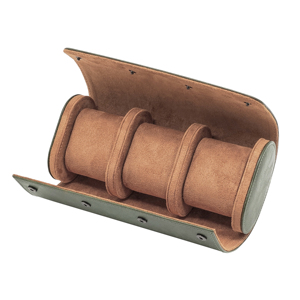
| PU Leather Travel Roll | Reinforced Plastic / Flexible PU | Travelers, Multi-slot Collectors | Impact Cushioning & Compactness | High (Recycled PU) |
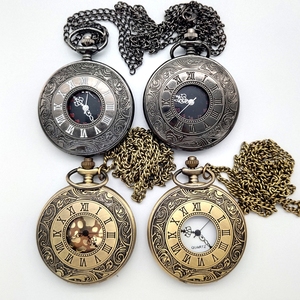
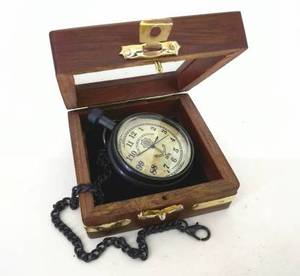
| Solid Wood Piano-Finish Box | Natural Walnut / Mahogany / HDF | Luxury Mechanical & Pocket Watches | High Perceived Value & Longevity | FSC Certified |
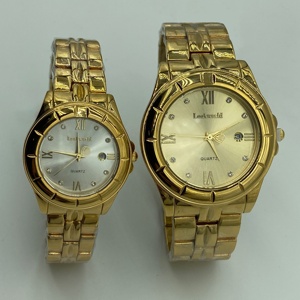
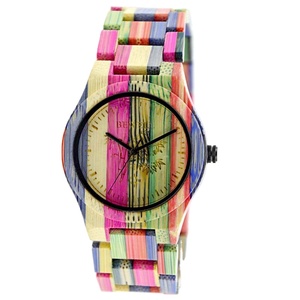
| Rigid Eco-Cardboard Box | 1600 GSM Greyboard + Art Paper | Couples Watches, Fashion Quartz | Cost-Effective & Fully Recyclable | 100% Biodegradable |
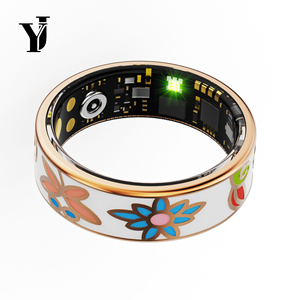
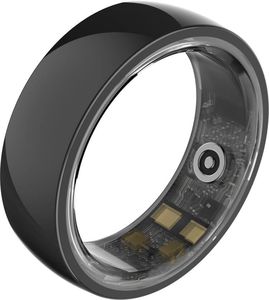
| Smart Wearable Enclosure | Molded Pulp + Soft-Touch PET | Smart Rings, Health Trackers | Compartmentalized Cable Integration | REACH & RoHS Compliant |
3. Future Procurement & Sourcing Trends (2026–2030)
As consumer expectations shift toward transparency, interactive unboxing, and environmental responsibility, international procurement teams are adapting their sourcing criteria when selecting OEM/ODM custom watch box suppliers in China:
A. The Rise of Smart Wearables Packaging (Smart Rings & Hybrid Watches)
With the rapid proliferation of health-tracking smart rings, heart-rate monitoring wristwear, and connected digital timepieces, custom packaging must now accommodate multi-component layouts. Modern watch boxes for smart wearables incorporate hidden magnetic compartments for magnetic charging docks, USB-C cables, and quick-start regulatory guides while complying with international electronics safety norms such as the UK PSTI (Product Security and Telecommunications Infrastructure) regime.
B. FSC Certification and Decarbonized Supply Chains
Global retailers across Europe and North America now demand verifiable carbon footprint tracking across their packaging supply chain. Leading China watch box suppliers have transitioned to 100% Forest Stewardship Council (FSC) certified wood pulp, soy-based inks, and biodegradable magnetic closures. Utilizing modular flat-pack packaging designs also drastically reduces container volume during sea freight, lowering carbon emissions per unit shipped.
C. Anti-Counterfeiting & NFC/RFID Integration
Brand protection is paramount in high-value horology. Next-generation luxury watch boxes integrate encrypted Near-Field Communication (NFC) micro-chips directly beneath the velvet lining or inside the warranty card pocket. Customers can tap their smartphone against the box to verify product authenticity, register their 2-year guarantee, and access digital instruction manuals instantly.
4. Manufacturing Capabilities & Quality Assurance Protocols
A reliable supplier must demonstrate end-to-end quality control from raw material inspection to final container loading. Our manufacturing partner facilities in Guangdong and Zhejiang provinces operate under strict quality management frameworks:
- Raw Material Testing: Moisture content in wooden timber boxes is calibrated strictly between 8% to 12% via digital hygrometers to prevent cracking or warping in cold or humid export destinations.
- Automated Rigid Box Forming: High-precision robotic box-forming machinery ensures crisp 90-degree corner folds and exact magnet alignment with tolerances under 0.2mm.
- Drop & Vibration Simulation: Finished packaged timepieces undergo ISTA-1A drop tests and random vibration testing to ensure zero structural failure or watch dislocation during transit.