Explore our premium factory-direct watch catalog spanning zirconia ceramic watchband series, smart wearables, tourbillon automatics, and handcrafted presentation cases.
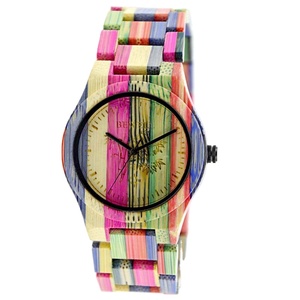
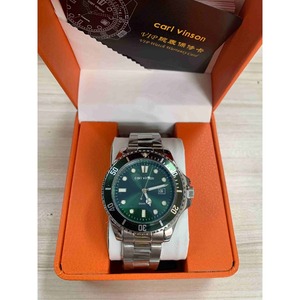
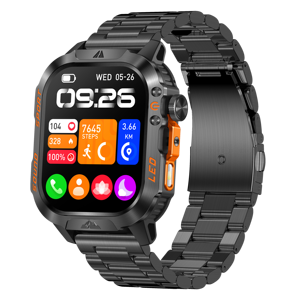
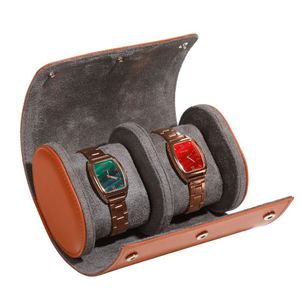
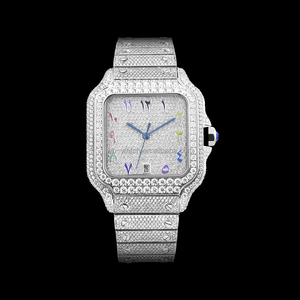
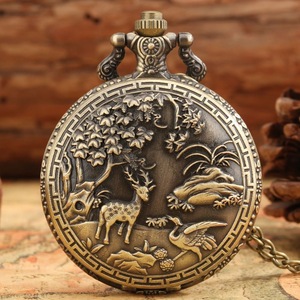
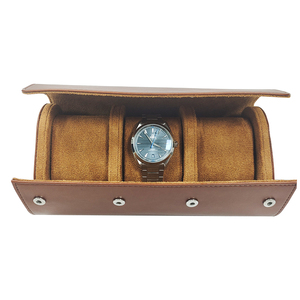
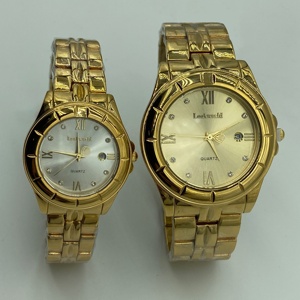
In the contemporary luxury watchmaking ecosystem, high-tech zirconia ceramic (ZrO2) has transitioned from an experimental boutique material into an indispensable cornerstone of premium wristwear. As leading China ceramic strap watch factories and international exporters, Chinese manufacturing hubs in Shenzhen, Dongguan, and Guangzhou have engineered advanced ceramic molding methodologies that surpass traditional metallurgy in thermal stability, scratch resistance, and biometric comfort.
The manufacturing lifecycle of a high-grade ceramic watch bracelet link or monobloc case requires nanoscale precision. Superfine zirconium oxide powder—stabilized with yttria (Y2O3)—is mixed with organic binder systems before undergoing high-pressure Ceramic Injection Molding (CIM). The molded green bodies are subsequently subjected to a multi-stage debinding routine followed by sintering at temperatures reaching 1,450°C (2,642°F).
Combining decades of horological expertise with agile digital supply chain management, our integrated manufacturing infrastructure delivers unparalleled cost-efficiency, rapid prototyping, and absolute quality assurance.
Every ceramic bracelet link and movement assembly undergoes rigorous drop testing, torque stress analysis, and 3ATM to 20ATM hydrostatic water pressure validation prior to batch export.
Utilizing high-purity inorganic oxide additives, we offer standard midnight black, pure alabaster white, navy blue, emerald green, and custom Pantone-matched pastel ceramic formulations.
From initial 3D design concept and photorealistic rendering to physical sample creation, our rapid tooling workflows shorten new product development cycles to under 25 business days.
To assist brand procurement directors, supply chain managers, and horology buyers in selecting optimal materials for their upcoming collections, the comparative matrix below highlights key physical properties across major watchmaking materials.
| Material Type | Vickers Hardness (HV) | Scratch Resistance | Thermal Conductivity | Corrosion Resistance | Hypoallergenic Rating |
|---|---|---|---|---|---|
| Zirconia Ceramic (ZrO2) | 1,500 – 1,800 HV | Exceptional (Diamond-grade) | Low (Adapts to body temp) | Impervious to salt/sweat | 100% Biocompatible |
| 316L Stainless Steel | 200 – 240 HV | Moderate (Prone to hairline scratches) | High (Feels cold initially) | Good (Pitting possible) | Contains Nickel traces |
| Grade 5 Titanium | 350 – 400 HV | Moderate to High | Medium | Outstanding | High |
| Natural Hardwood | 30 – 50 HV | Low (Susceptible to dents) | Very Low | Poor (Absorbs moisture) | Variable (Resin dependent) |
| PVD Coated Alloy | 120 – 180 HV | Low (Coating degrades over time) | High | Moderate | Risk of skin reaction |
As consumer preference shifts toward long-lasting, low-maintenance luxury goods, global B2B procurement data points toward three distinct macro-trends shaping China’s ceramic watch manufacturing sector:
Smartwatches are no longer restricted to plastic or aluminum enclosures. High-end wearable brands are turning to ceramic bezels and full ceramic links to house smart sensors, optical heart-rate monitors, and NFC antennas. Because ceramic is non-metallic, it allows electromagnetic and wireless signals to pass through effortlessly without signal attenuation, guaranteeing optimal Bluetooth, GPS, and Wi-Fi connectivity.
Historic challenges with ceramic watchbands centered around link brittleness under severe impact. Next-generation Chinese engineering incorporates stainless steel or titanium internal pin cores surrounded by high-density ceramic sleeves. This hybrid architecture delivers the scratch-free exterior of zirconia alongside the structural tensile strength of high-grade metallurgy.
In response to international ESG directives and European Union environmental standards, top China ceramic watch exporters have adopted high-efficiency electric sintering kilns, closed-loop diamond slurry filtration systems, and 100% recyclable packaging solutions, reducing carbon footprints per watch unit by up to 35%.
Direct technical and logistical insights for watch brand owners, wholesalers, department store buyers, and private label importers.
For standard stock models with custom logo silk-screening or laser etching, our baseline MOQ starts at 300 pieces per batch. For fully bespoke OEM ceramic link tooling with custom pantone colors or proprietary case geometries, the recommended production batch MOQ is 500 to 1,000 units to amortize mold setup costs efficiently.
Zirconia ceramic has a specific gravity of approximately 5.9 to 6.0 g/cm³, making it slightly lighter than stainless steel (7.8 g/cm³). Crucially, ceramic possesses low thermal conductivity, meaning it quickly absorbs skin temperature and feels warm and comfortable against the wrist, unlike metals that feel uncomfortably cold in winter environments.
Our OEM ceramic cases are engineered to accommodate a broad range of movements, including Swiss ETA, Sellita, and Ronda movements, as well as Japanese Seiko (TMI) and Miyota quartz or automatic mechanical movements. Smart wearable PCBs can also be integrated into custom ceramic backplate assemblies.
All complete watches and accessories comply with international market entry requirements, including EU REACH regulations, RoHS hazardous substance restrictions, CE certifications for electronic components, and the UK PSTI Act standards for connected smart wristwear.
We provide a comprehensive 2-Year Factory Guarantee on movement performance, water resistance seals, and structural ceramic integrity. Overseas buyers receive dedicated technical documentation, spare link sets, and replacement component access to streamline after-sales support.
Whether launching a new high-tech ceramic watch line or upgrading existing OEM supply chains, our engineering team provides end-to-end support from CAD drafting to international door-to-door delivery.
Get a Quote