british design. established since 1966.
every watch backed by a 2 year guarantee
0%

China’s smartwatch-accessory market offers buyers a wide range of replacement straps, from soft silicone bands to woven nylon and stainless-steel links. Yet a broad catalog does not guarantee a dependable supplier. Buyers should check material specifications, lug and connector compatibility, sample consistency, packaging, and production capacity. Small details matter. A clasp that feels sharp or a pin that sits loosely can turn a promising sample into a return problem.

The right supplier depends on the watch models you serve, your target price, and the finish your customers expect. Ask for samples across several colors, then inspect stitching, coating, flexibility, and fit against the intended device. Request clear production timelines and written quality criteria. A useful expert comment belongs here, but it should be verified before publication: “[Insert an exact, source-checked quotation]” — [Expert’s verified name and professional role]. Do not rely on an unattributed industry saying.

This guide to China Top Smartwatch Replacement Straps Suppliers will help readers compare manufacturers and evaluate practical sourcing factors. It will also consider customization, communication, and quality-control processes. No supplier is automatically the best choice. Even a strong factory may not suit every order size or design brief. A careful comparison can reveal that gap before production begins.
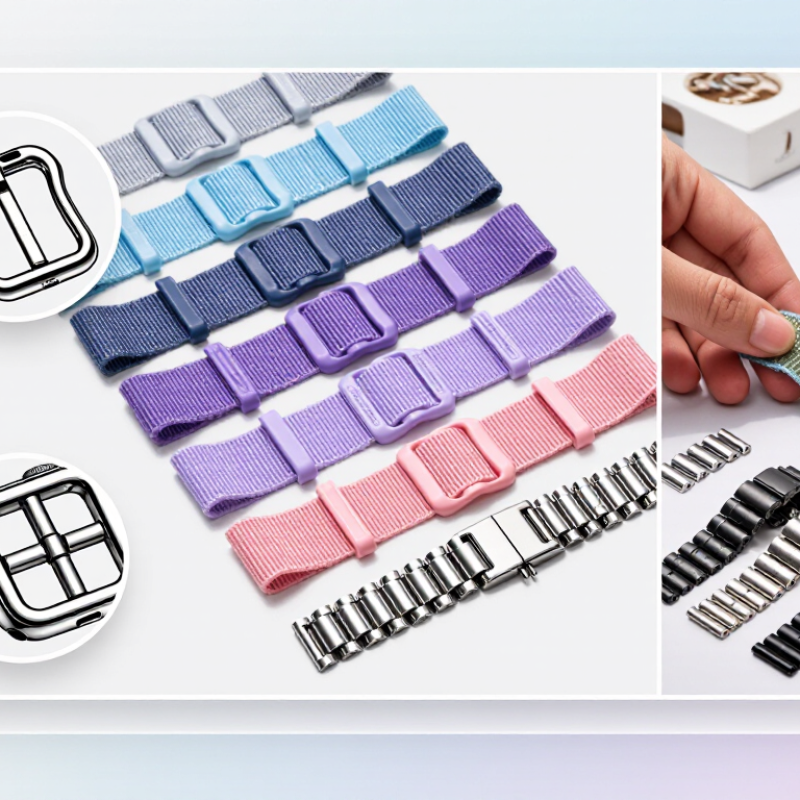
China Top Smartwatch Replacement Straps Suppliers?

What Defines China’s Smartwatch Replacement Strap Supplier Landscape?

China’s smartwatch replacement strap supplier landscape is broad, but not uniform. It includes specialized factories, accessory makers, and trading companies coordinating production across several workshops. Their capabilities can differ in mold access, material control, and quality inspection. Some suppliers handle small custom runs; others focus on repeat orders with fixed specifications. Details matter.

A capable supplier should explain how strap dimensions, connector fit, and material choices are checked. Silicone, woven fabric, and metal links each require different production and inspection steps. Ask for samples made with the intended material and finish, then check the connector alignment, edge smoothness, buckle movement, and color consistency. Small checks help. Clear answers about lead times, minimum order quantities, and defect handling are equally useful. A polished sample alone does not prove that every batch will match.

The landscape rewards careful comparison more than quick price shopping. Request written specifications and confirm which details may change between sample approval and mass production. Photos of production checks can provide context, though they cannot replace inspecting physical samples. One limitation is easy to overlook: a supplier may offer many styles while relying on outside partners for some processes. That is not automatically a problem, but it deserves a direct question. Buyers should also keep a record of approved measurements, materials, and packaging before placing repeat orders.

China’s Smartwatch Replacement Strap Supplier Landscape

Material choices are one practical way to compare strap suppliers. This chart shows representative density ranges for common strap materials—not supplier counts or market shares.

Typical density ranges in g/cm³; actual values vary by grade and formulation. Silicone, TPU, nylon and stainless steel serve different comfort, durability and design needs, so supplier comparisons should also consider specifications, quality control and customization.

Which Materials and Designs Are Commonly Offered?

Smartwatch replacement straps are commonly offered in silicone, woven nylon, leather, and stainless steel. Silicone feels soft and handles sweat well, making it practical for workouts and humid days. Small ventilation holes can reduce trapped moisture, though they do not suit every design. Nylon straps feel lighter and often use textured weaves or hook-and-loop fasteners. Leather brings a more formal look, but frequent water exposure may shorten its useful life.

Metal options usually include linked bracelets and fine mesh styles. Suppliers may offer polished, brushed, or coated finishes, alongside buckles in several shapes. Color choices range from black and silver to brighter seasonal tones. Strap width, connector shape, and attachment method matter as much as appearance. A quick-release pin can make changes easier, but compatibility still depends on the watch case.

Fit is the detail buyers should check closely. A strap that looks right in a sample photo may feel stiff, heavy, or awkward on a smaller wrist. Ask suppliers for material specifications, close-up images of stitching and connectors, and samples from the intended production batch. Nice finish. Still, color can vary slightly between samples and bulk orders, so clear tolerances help prevent surprises.

How Do Suppliers Handle Compatibility and Customization?

China’s smartwatch strap suppliers usually begin with a compatibility checklist. They compare lug width, connector shape, case size, and attachment method. A strap that measures 20 millimeters may still fail if its connector sits too high. Small details matter.

Good suppliers request the watch model or a clear drawing before confirming a match. They may send a sample for a hands-on fit check. The strap should attach securely, sit flush, and release without force. No chart catches every edge case. Even a detailed specification can miss a curved case or an unusual pin. That is why buyers should test samples across several watch units, not just one.

Customization often covers strap length, material, color, buckle finish, and logo placement. Suppliers can usually adjust hole spacing or provide a softer lining for daily wear. Ask for written material details and photos of the actual sample. Check stitching, edge finishing, and buckle movement. Simple checks help.

Custom colors may vary slightly between production batches. Larger orders can also make late design changes costly. Some suppliers offer a digital mockup, but it cannot show true texture or wrist comfort. Requesting a physical sample takes more time, yet it can prevent a poor fit. I would not treat a polished catalog as proof of compatibility.

What Quality Standards and Sourcing Services Should Buyers Compare?

With global wearable-device shipments reaching 534.6 million units in 2024, according to IDC’s Worldwide Quarterly Wearable Device Tracker, consistent component quality matters. That figure covers wearables broadly, not replacement straps alone. Buyers should compare measurable tests, not rely on market growth claims.

Ask suppliers for material specifications, dimensional tolerances, and batch-level inspection records. Test strap holes and buckles for repeated pulling, sweat exposure, color transfer, and corrosion. ISO 9001 can indicate a documented quality system, but it does not prove a strap will fit or last. ISO 2859-1 provides sampling procedures for acceptance inspection; agree on sampling levels and defect limits before production. Small details matter. A polished report can still miss a clasp that loosens after weeks of wear, so request samples from the actual production line.

Compare sourcing services as carefully as unit prices. Reliable suppliers should explain sample timing, tooling costs and ownership, minimum order quantities, production capacity, packaging options, and lead times. Ask how they trace materials by batch and handle defects, rework, or replacement shipments. Independent laboratory testing can add confidence, especially for skin-contact materials, but confirm that reports match the exact material and finished strap. Some buyers skip factory checks to save time. That can be a costly shortcut. A clear inspection plan and written specifications make supplier comparisons more useful than vague promises of “premium quality.”

How Can Buyers Evaluate and Select a Supplier?

When evaluating China-based smartwatch replacement strap suppliers, buyers should look beyond low quotes. IDC’s Worldwide Quarterly Wearable Device Tracker reported 534.6 million wearable-device shipments in 2024, up 6.1% year over year. That wider market figure does not measure replacement straps directly, but it signals a large installed base—and varied fit requirements. Ask suppliers for a compatibility matrix showing case sizes, connector dimensions, and tested device models. Request samples in the actual material and color. Check how the strap feels after repeated bending, sweat exposure, and buckle fastening. Small details matter.

Ask for written specifications, batch traceability, and recent test records covering tensile strength, colorfastness, and skin-contact materials. Verify that reports identify the tested material and method; a certificate without those details is weak evidence. Review production capacity, minimum order quantities, sample lead times, and defect-handling procedures. Then compare these claims with a factory audit or a small pilot order. Keep the first order modest. One caveat: even a polished sample can hide inconsistent production. A second sample from a later batch may reveal more. Supplier selection is rarely perfect, so document tolerances and agree on how failed inspections will be handled before scaling.

China Top Smartwatch Replacement Straps Suppliers? - How Can Buyers Evaluate and Select a Supplier?
Supplier Evaluation Scorecard for Smartwatch Replacement Straps — a buyer’s comparison framework, not a supplier ranking
Evaluation Dimension Suggested Weight What Buyers Should Check Evidence to Request or Verify Scoring Guide (1–5)
Model and connector compatibility 20% Confirm compatibility with the exact watch model, case size, connector design, band width, pin or adapter type, and intended fit. Similar-looking connectors may not be interchangeable. Written compatibility list; dimensioned drawings or measurements; samples fitted to the buyer’s target watch models; confirmation of adapter and pin specifications. 1 = Compatibility is unclear or untested; 3 = Main models are checked; 5 = Every target model is documented and sample-verified.
Sample quality and consistency 20% Inspect fit, finish, edges, stitching or molding, buckle operation, color consistency, comfort, and attachment security. Compare samples from different production runs where practical. Pre-production samples; agreed approval sample; inspection checklist; defect definitions; written process for handling nonconforming goods. 1 = No defined sample or inspection process; 3 = Samples are available and basic checks are agreed; 5 = Approval criteria and repeatable inspection records are in place.
Materials and regulatory documentation 15% Identify the exact material and finish, such as silicone, TPU, woven textile, leather, or stainless steel. Requirements depend on the destination market and product construction. Material specifications; applicable test reports or declarations for the target market; traceable documentation for relevant substances and finishes. Verify that documents cover the actual material and product. 1 = Material details or documents are missing; 3 = Relevant documentation is supplied for review; 5 = Documents are current, traceable, and matched to the ordered product and destination market.
Production capability and process control 15% Assess whether the supplier can make the requested construction, colors, sizes, packaging, and order volume. Ask how changes to materials, tooling, or production are controlled. Process description; production sample; equipment or subcontracting disclosure where relevant; quality-control checkpoints; change-control procedure. 1 = Capability is based only on unsupported claims; 3 = Relevant processes are explained; 5 = Capability and controls are supported by clear, consistent evidence.
Order terms and total cost 10% Compare the complete quotation, not just the unit price. Clarify minimum order quantity, sample and tooling charges, packaging, payment terms, shipping basis, and costs for revisions. Itemized quotation; written minimum order quantity; sample and tooling terms; packaging specifications; agreed payment and delivery terms. 1 = Important charges or terms are unclear; 3 = Main costs and terms are documented; 5 = Costs, assumptions, and change charges are transparent.
Lead time and delivery reliability 10% Confirm sample, production, and dispatch timelines separately. Check capacity for the requested order and how delays or changes are communicated. Written schedule with milestones; production start conditions; shipment documents; agreed process for schedule updates and delay notices. 1 = Dates are vague or repeatedly changed; 3 = A realistic schedule is provided; 5 = Milestones, responsibilities, and update procedures are clearly agreed.
Communication and documentation 10% Evaluate how clearly the supplier answers technical questions, manages revisions, and records specifications, approvals, and order changes. Quotation and specification records; sample approval trail; written order confirmation; clear contact and escalation process. 1 = Key details remain undocumented; 3 = Routine records are provided; 5 = Technical and commercial decisions are consistently documented and easy to trace.
Total suggested weight 100% Apply the same criteria to each shortlisted supplier. A suggested weighted result can be calculated as: (score ÷ 5) × dimension weight, then summed across all dimensions.

Note: The weights and scoring guide are a practical buyer-defined framework, not published supplier performance data. Set product-specific acceptance criteria and destination-market requirements before placing a production order.

FAQS

Which materials are commonly used for replacement straps?

Common options include silicone, woven nylon, leather, and stainless steel. Silicone suits sweaty workouts. Leather looks formal but may wear faster with frequent water exposure.

How do silicone and nylon straps differ?

Silicone feels soft and handles sweat well. Ventilation holes may reduce trapped moisture. Nylon is lighter and may use textured weaves or hook-and-loop fasteners.

What should I check before choosing a metal strap?

Check whether it uses linked sections or fine mesh. Finishes may be polished, brushed, or coated. Buckle shape and strap weight can affect daily comfort.

How can I confirm a strap will fit my watch?

Compare strap width, connector shape, and attachment method with your watch case. A quick-release pin can make changes easier, but it does not guarantee compatibility.

What details should I examine in a sample?

Check the feel on your wrist, stitching, connectors, and buckle. Bend the strap repeatedly and fasten it several times. A photo alone can be misleading.

What documents and test records should I request from a supplier?

Ask for written specifications, batch traceability, and recent test records. Records should identify the tested material and method, including for strength, colorfastness, and skin-contact materials.

How can I assess whether production quality is consistent?

Request samples from the intended production batch and compare their color and finish. Small variations may remain. A later-batch sample can reveal inconsistencies a polished sample hides.

What is a cautious way to start an order?

Review capacity, minimum order quantities, lead times, and defect-handling procedures. Consider an audit or modest pilot order, with inspection tolerances agreed in writing. It may still miss something.

Conclusion

China’s Smartwatch Replacement Straps supplier landscape includes manufacturers and sourcing partners with different production capabilities, material options, and levels of customization. Buyers can compare common choices such as silicone, woven fabric, and metal, alongside variations in color, finish, fastening style, and intended use. A capable supplier should be able to clarify device compatibility, confirm measurements and connector details, and discuss custom designs or packaging requirements before production.

When evaluating suppliers, consider product consistency, material information, inspection procedures, communication, lead times, and minimum order quantities. Ask for samples and clear specifications to assess fit, comfort, finish, and durability before placing a larger order. Comparing these factors together can help buyers identify a supplier that aligns with their product needs, quality expectations, and sourcing plans.


Amelia Rose

Amelia Rose

Amelia Rose is a professional marketing specialist with a deep understanding of the company’s products, their practical applications, and the needs of the customers they serve. She regularly contributes expert articles to the company’s website, sharing clear, useful insights that help readers make......