Choosing the best smart watch for men in 2026 is less about finding the biggest screen and more about matching a watch to daily life. A bright display helps outdoors; a comfortable strap matters during long workdays. Battery life can make the difference between charging nightly and reaching for a cable every few days. Small details count.
Tim Cook, Apple’s CEO and a prominent figure in wearable technology, described the Apple Watch as “the most personal device we’ve ever created.” That idea applies beyond one brand: a useful watch should fit its wearer’s routine, preferences, and phone. It should also feel comfortable beneath a shirt cuff or during a morning run.
This guide to Men's Smart Watches compares practical features, including health and fitness tracking, phone compatibility, durability, battery life, and ease of use. It considers options for different budgets and styles, from understated designs to rugged models with larger cases. Published specifications help establish what each device offers, but real-world comfort and battery performance can vary with settings and usage. No single watch suits every man. Some buyers may value accurate workout tools; others may prefer clear notifications and a lighter case. The trade-offs are real. A feature-packed model can feel bulky, while a slimmer watch may require more frequent charging. The recommendations aim to make those compromises easier to judge before you buy.
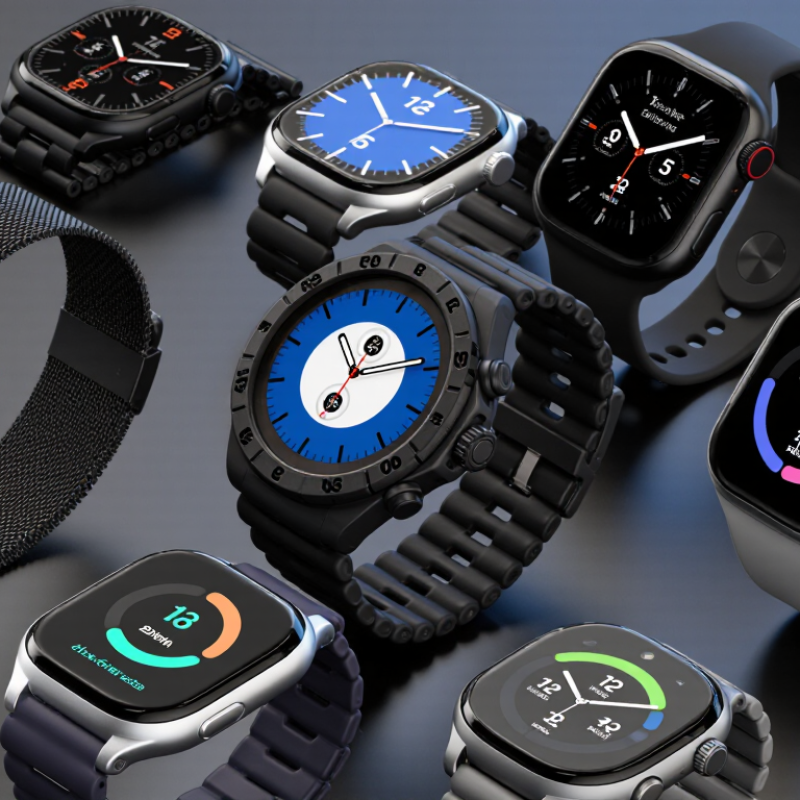
A smart watch for men in 2026 is not defined by a masculine design or a long list of features. It should fit the wearer’s wrist, routine, and phone, while remaining comfortable through a full day. A case that looks sleek online may feel bulky under a shirt cuff. Fit matters. Check the band’s adjustment range, screen readability outdoors, and whether the controls work easily with one hand. A bright display is useful on a sunny walk; clear vibration alerts help in a noisy workshop or crowded train.
Useful health tools should provide understandable trends, not promises of diagnosis. Heart-rate readings, sleep estimates, and activity records can support everyday awareness, but accuracy varies with fit and movement. Treat unusual readings as a reason to seek qualified medical advice, not as a verdict. Battery life also deserves a real-world check: frequent GPS use and an always-on display can shorten it. Water resistance, scratch protection, and reliable phone notifications matter more than decorative extras for many people. There is no perfect choice, and published specifications can make comparisons seem easier than they are. Look for independent testing, software-support details, and a return policy before deciding.
| Smartwatch Profile | Best Suited To | Fit and Design | Battery Expectations | Health and Fitness Features | Connectivity and Everyday Tools | What to Check Before Buying |
|---|---|---|---|---|---|---|
| All-round daily smartwatch | People who want notifications, apps, workouts, and health tracking in one device. | Choose a case and strap that sit comfortably on the wrist; many ranges offer multiple case sizes. | Often around one to several days, depending on display settings, GPS use, and connected features. | Common options include heart-rate tracking, step counts, sleep summaries, and workout modes. Availability varies by model. | May support phone notifications, calls, calendar alerts, contactless payments, and downloadable apps. | Confirm compatibility with your phone, the features available in your region, and whether key functions require a subscription. |
| Fitness-focused smartwatch | Regular runners, cyclists, gym users, and people who want detailed activity records. | A secure, lightweight fit helps reduce movement during exercise; breathable, replaceable straps can improve comfort. | Can last several days or longer; frequent GPS recording and an always-on display use more power. | Look for workout-specific metrics, GPS tracking, heart-rate data, and recovery or training summaries where supported. | Phone alerts are often available; some models can record outdoor routes without a phone nearby. | Check GPS capabilities, workout accuracy reviews, water-resistance rating, and whether training insights need a paid plan. |
| Outdoor and endurance smartwatch | Hiking, long-distance training, camping, and activities where charging access may be limited. | A larger case may make room for a bigger battery, but can feel bulky on smaller wrists. | Some models are rated for multiple days or longer in low-power modes; GPS-heavy use can shorten runtime substantially. | May include route tracking, elevation data, compass functions, and activity tracking; feature sets differ by model. | Offline maps, navigation, and satellite communication are not universal and may require specific hardware or service plans. | Check independent water-resistance and durability details, GPS mode battery estimates, map availability, and emergency-service limitations. |
| Health-oriented smartwatch | Users who prioritize wellness trends, sleep routines, and selected health measurements. | Comfort matters for overnight wear; a lighter watch and a secure strap can make continuous tracking easier. | Typically ranges from about a day to several days, depending on sensor use and display settings. | Depending on the device and local approval, features may include heart-rate alerts, blood-oxygen estimates, or electrocardiogram recording. | Health summaries may sync to a companion phone app; some measurements require a compatible phone or specific setup. | Check regional availability and regulatory status. Wellness features do not replace medical advice or clinical diagnosis. |
| Long-battery hybrid smartwatch | People who prefer a traditional watch appearance and basic smart features over a large app selection. | Often has a simpler display and conventional watch styling; check case thickness and strap width for a good fit. | Can last longer than full-featured touchscreen watches, although actual life depends on the display and sensor features used. | May track steps, heart rate, sleep, and basic workouts; advanced training tools may be limited. | Usually focuses on selected phone alerts and activity syncing rather than extensive on-watch apps. | Compare the exact notification, display, and tracking functions; the term “hybrid” does not guarantee a standard feature set. |
Selection tip: There is no separate technical category required for men. Wrist size, comfort, phone compatibility, battery life, durability, and the features you will actually use are more useful buying criteria. Battery figures and health functions vary by model, settings, and region.
It should fit your wrist, match your routine, and work with your phone. Fit matters. Check whether it feels bulky under a shirt cuff.
A bright screen is easier to read on a sunny walk. Reliable GPS helps with longer hikes and rides, but continuous use can drain the battery quickly.
No. Heart-rate, sleep, and activity estimates can vary with movement and fit. Treat unusual readings as a reason to seek qualified medical advice, not as a diagnosis.
Choose clear workout screens, useful heart-rate tracking, and battery life for several sessions. Physical buttons can be easier than touch controls with sweaty fingers.
Readable notifications, calendar reminders, and contactless payment support may be enough. You may not need every feature. Too many alerts can become irritating.
Look beyond the advertised estimate. Frequent GPS use and an always-on display can shorten battery life. Consider how often you are willing to charge it.
It can help you notice daily patterns if it feels comfortable overnight. The estimates have limits. They do not provide a medical diagnosis.
Check phone compatibility, band adjustment, screen readability, software support, and the return policy. Published specifications can make comparisons look simpler than they are. I might still overlook comfort until wearing it all day.
Choosing the right smart watch for men in 2026 starts with understanding how it fits into everyday life. A useful model should feel comfortable, work smoothly with your phone, and provide clear, dependable access to notifications, fitness tracking, and health insights. Battery life, display readability, durability, privacy controls, and ease of use can matter just as much as the number of features.
Men's Smart Watches come in different styles for different priorities, from lightweight options for daily activity to more capable designs for outdoor adventures or detailed wellness tracking. Compare compatibility, essential functions, build quality, battery performance, and total cost rather than focusing on specifications alone. The best choice is the one that suits your routine and budget without adding unnecessary complexity. By identifying your must-have features first, you can find a watch that offers lasting value and feels practical every day.