Choosing among British Designed Watches in 2026 means looking past the Union Jack on a dial. The strongest candidates pair distinctive design with dependable movements, careful finishing, and accessible servicing. Those details matter when a watch catches the light on your wrist, but still needs to keep time years later.
The wider market offers useful context, though it does not measure British-designed watches separately. The Federation of the Swiss Watch Industry reported Swiss watch exports of about CHF 26 billion in 2024, underscoring the scale of the competition. That figure is not a measure of British sales. It is a reminder that British brands must make their value clear. British watchmaker George Daniels described a watch as “a machine for measuring time.” His practical standard helps keep this guide focused on performance as well as appearance.
This overview compares established names and newer makers across design, movement choice, materials, price, and after-sales support. Expect crisp numerals, brushed steel, and cases suited to everyday wear—not just polished photographs. Some brands assemble watches in Britain; others are British-designed but manufactured elsewhere. That distinction deserves scrutiny. Branding can blur it. No single watch suits every buyer, and prestige alone is a poor reason to purchase. The shortlist instead asks which watches offer a convincing mix of identity, reliability, and lasting usefulness in 2026. One caveat remains: public, independently audited data on this specific market are limited. That makes transparent specifications and warranty terms especially valuable.
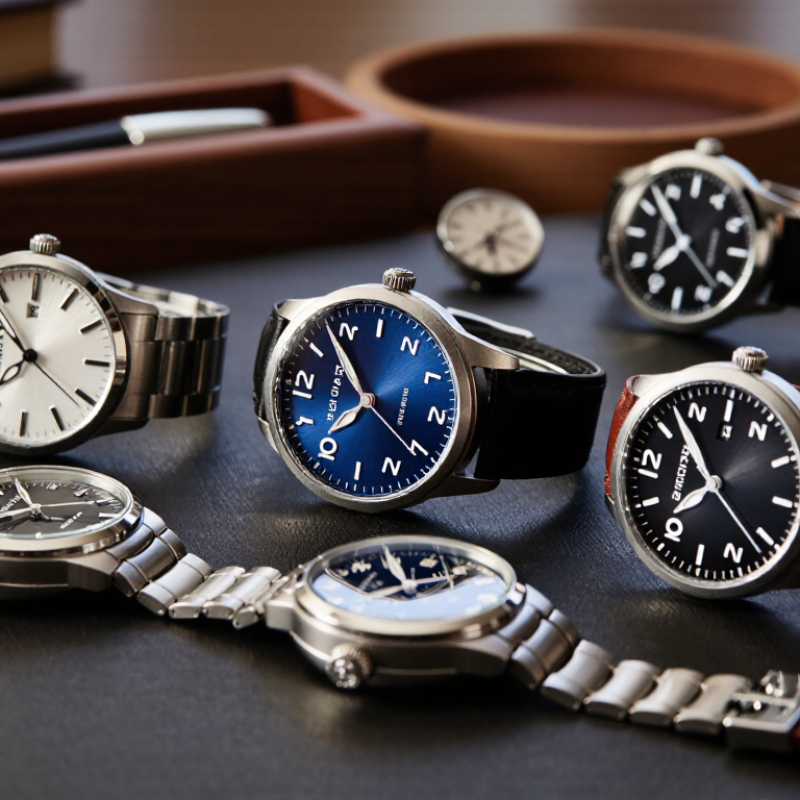
In 2026, British watch design is less a fixed look than a set of thoughtful choices. It often pairs clear, instrument-like dials with restrained details, practical proportions, and a willingness to reinterpret historical forms. A crisp minute track, balanced numerals, and tactile crown can make a watch easy to use, not merely attractive in a photograph. The strongest designs explain their decisions through function and finish. That distinction matters.
Tips: Check the dial in daylight and under indoor lighting. Ask where design, assembly, and components come from; these may have different answers. Try the watch on. A beautiful case can still feel awkward on a smaller wrist.
A British-designed watch does not need a faux-aged dial or a flag motif to feel locally considered. Look for coherent details: how the hands meet the markers, whether the case edges feel deliberate, and whether the strap suits daily wear. Transparent information about materials and production also helps buyers judge what “designed” actually means. Some design choices may feel overly cautious, and that is worth questioning. Good design should invite scrutiny, not demand loyalty.
A good British-designed watch should show a clear design point of view, not just a familiar flag on the dial. Look at the case shape, hands, numerals, and spacing. Do they feel considered together? Readability matters in ordinary light, not only in polished product photographs. Try imagining the dial at a quick glance on a grey morning.
Check what “British-designed” means in practice. Is the design work clearly described, and are the movement, assembly, and components explained separately? These details help distinguish design origin from manufacturing location. A transparent maker should state what is known and avoid implying that every part is locally made. Small print counts.
Materials and construction should suit regular wear. A brushed steel case can hide light scratches better than a mirror finish, while a secure crown and clearly stated water resistance offer useful everyday reassurance. Ask whether the strap is replaceable and whether servicing information is available. Practical details matter.
Then consider fit and value. Compare case diameter, thickness, lug-to-lug length, accuracy claims, warranty terms, and repair access—not just the price. If possible, try the watch on; a number on a screen cannot tell you how it sits beneath a shirt cuff. I still find some design judgments subjective. That is worth admitting. A distinctive dial may charm one person and frustrate another, so judge it in person whenever you can.
British watchmaking in 2026 is best judged by design, movement, and everyday wear—not patriotic styling alone. The Federation of the Swiss Watch Industry reported watch exports worth about CHF 25.9 billion in 2024, down 2.8% from 2023. That industry-wide figure is not a measure of British sales; it does show the crowded, competitive market British makers must navigate.
Notable 2026 designs include slim hand-wound dress watches, steel sports models with integrated bracelets, and practical field watches with clear numerals. Look closely at the dial in daylight: textured finishes and restrained colours can feel distinctive without hurting legibility. Check the movement specification, service interval, water resistance, and warranty before buying. Details matter.
A well-proportioned case can wear better than a larger watch with more features. Try it on. British-designed models may pair locally influenced styling with components sourced internationally, so ask where assembly and servicing take place. Some product details can be hard to verify from polished launch materials alone. That deserves scrutiny. A precise movement or striking caseback is not automatically proof of lasting value; comfort, repair access, and honest specifications count too.
This brand-neutral shortlist compares British-designed watch profiles rather than naming companies or asserting unverified 2026 model releases. The specifications below are selection benchmarks, not claims about a particular watch.
| 2026 shortlist profile | Design character | Useful specification benchmark | Best suited to | What to verify before buying |
|---|---|---|---|---|
| Modern field watch | Clear numerals, restrained detailing and a practical, legible dial. | A case around 36–40 mm; check the lug-to-lug measurement as well as case diameter for fit. | Everyday wear and casual outfits. | Movement type, service arrangements, crystal material and the maker’s stated water-resistance guidance. |
| British-inspired dress watch | Slim proportions, a clean dial and details suited to formal or business wear. | Compare case thickness, diameter and strap width; these affect comfort and how the watch sits under a cuff. | Formal occasions and understated daily use. | Whether the case is solid precious metal or coated steel, and whether the movement is automatic, hand-wound or quartz. |
| Dive-style sports watch | High-contrast markers, a timing bezel and a robust, tool-watch appearance. | For regular swimming, look for a clearly stated rating of at least 100 m and follow the manufacturer’s instructions. | Sporty everyday wear and water-related activities within the watch’s stated limits. | The rating is not a guarantee for every activity; check crown operation, service history and any specific depth or use restrictions. |
| Aviation-inspired watch | Large, easy-to-read markings and a functional layout influenced by pilot instruments. | Assess dial legibility in low light, hand contrast and the visibility of any secondary display. | Travel, casual wear and readers who prefer a highly legible dial. | Whether any slide rule, GMT display or other complication is genuinely useful for your needs. |
| Independent, design-led watch | Distinctive colours, unconventional layouts or small-batch design details. | Prioritize published case dimensions, movement details, production information and warranty terms over marketing language. | Collectors seeking an individual look and a less conventional design. | Confirm the exact reference, production status, return policy and availability of future servicing. |
British design note: A watch’s design origin does not, by itself, identify where its movement or components were made or where final assembly took place. Check the specifications for each exact reference. Water-resistance markings are not a promise that a watch is suitable for every water activity; follow the maker’s guidance.
British-designed watches in 2026 are not one uniform style. Many pair restrained dials with practical details: clear minute tracks, compact cases, and hands that remain readable in low light. Some designs draw on naval instruments or older pocket watches, while others look deliberately modern. Small details matter. A brushed case can feel quieter than a polished one, even when both use similar materials.
The movement is a separate question from the design. Watches may use mechanical, automatic, or quartz calibres, with components sourced internationally. A British design does not automatically mean a movement made in Britain. That distinction matters. Check the stated movement type, service guidance, and warranty rather than inferring quality from a national label. A visible caseback can be appealing, but it does not tell the whole story about accuracy or long-term maintenance.
Prices vary with materials, finishing, movement complexity, and production scale. At entry-level prices, expect simpler cases or quartz movements; higher prices may bring mechanical calibres, more refined finishing, or smaller production runs. Yet cost alone is a poor measure of fit. I may still overvalue a sharply finished dial, while someone else cares more about comfort. Try to picture the watch under a shirt cuff, and check whether its dimensions suit your wrist. A beautifully detailed case can feel bulky after a full day.
A British-designed watch should fit your routine, not just your wrist. Check whether “designed” refers to British design work, British assembly, or both; these are not interchangeable. For daily wear, compare case size, strap comfort, legibility, and movement type. A mechanical watch needs regular winding or wear, while a quartz model is usually lower-maintenance. If you commute in rain or swim, read the stated water-resistance rating carefully. It is not a guarantee of suitability for every activity.
The Federation of the Swiss Watch Industry reported CHF 26.0 billion in Swiss watch exports in 2023, illustrating the scale of the wider watch market. That figure does not measure British-designed watches, so use it as context, not proof of quality. Ask sellers for clear details on movement origin, materials, warranty coverage, and servicing access. A polished case looks smart, but it may show scratches quickly. I still find size difficult to judge online; try the case dimensions against a watch you already own.
Tips: Measure your wrist, then compare the watch’s case diameter and thickness. Check the warranty and local repair options before buying. If you need a versatile choice, prioritize clear markers, a comfortable strap, and a water-resistance rating suited to your real routine.
How to Choose a British-Designed Watch for Your Needs
How to read this chart: Accuracy depends on the movement, not where a watch is designed. Typical quartz accuracy is often quoted as about ±15 seconds per month. COSC-certified mechanical movements must meet a daily-rate range of −4 to +6 seconds; over 30 days, the largest deviation from that range is 180 seconds. These are benchmarks, not guarantees for every watch. When choosing a British-designed watch, check its movement specifications and certification alongside its design, fit, and intended use.
Reference: COSC mechanical chronometer testing criteria; quartz figure is a commonly cited typical estimate and varies by movement.
It often combines clear, instrument-like dials with restrained details and practical proportions. There is no single fixed look.
No. A crisp minute track, balanced numerals, and carefully shaped case edges can suggest thoughtful design without faux aging.
View it in daylight and indoors. Check whether the hands meet the markers clearly. Small details matter.
Check its movement, water resistance, warranty, and service interval. Try it on; a wide case may feel awkward on a smaller wrist.
Not necessarily. Design, assembly, and components may come from different places. Ask where each part of the process happens.
Examples include slim hand-wound dress watches, steel sports watches with integrated bracelets, and field watches with clear numerals.
No. Comfort, repair access, and clear specifications matter too. A polished presentation can still leave questions unanswered.
Case proportions and strap choice both matter. Try the watch on before deciding. Looks alone can mislead.
In 2026, British Designed Watches are defined by a distinctive approach that balances practical function, thoughtful detailing, and a sense of heritage with contemporary style. The best examples are not identified by appearance alone: craftsmanship, reliability, movement type, comfort, and value all help distinguish a well-considered watch. British watch design can range from understated and versatile to bold and characterful, offering options for different tastes and occasions.
This overview explores leading makers and notable models of 2026 without reducing the choice to a single style or price range. It compares how watches differ in design, movements, and cost, then explains how to match those qualities to your needs. Whether you want an everyday companion, a formal accessory, or a watch with distinctive design details, understanding these factors can help you choose with confidence.